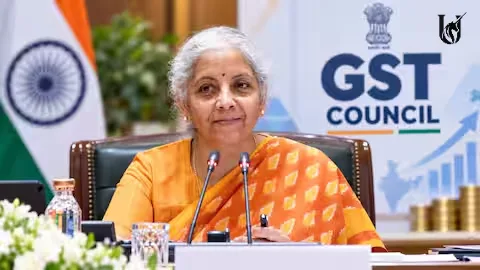
The GST Council has recommended major changes to make GST compliance easier for businesses and reduce direct intervention by tax officials. One of the biggest decisions is the removal of arrest provisions under GST and an increase in the prosecution threshold from Rs 1 crore to Rs 5 crore.
The decisions were taken at the 57th GST Council meeting held on October 8, 2026, in New Delhi.
Arrest Powers Under GST to Be Removed
The Council has recommended removing the power of tax officers to arrest taxpayers under GST provisions.
At the same time, the threshold for starting prosecution will be increased from Rs 1 crore to Rs 5 crore.
The punishment in eligible cases, including a fine, imprisonment or both, will be decided by the courts based on the facts of each case.
For taxpayers who file returns late, make mistakes or delay tax payments, the system will continue to provide for tax recovery, interest and proportionate penalties.
No GST Rate Changes
Finance Minister Nirmala Sitharaman, while addressing the media after the meeting, said that there will be no GST rate changes from this meeting.
She said the GST rate structure has now been settled, with the focus shifting towards making the system simpler and easier to follow.
The Council has also recommended common standards for GST notices and proceedings.
No notices will be issued for monetary amounts of Rs 10,000 or below. Pending notices below this limit will also be withdrawn.
GST Refunds to Become Faster
The GST Council has proposed changes to speed up the refund process.
The time for issuing an acknowledgement or deficiency memo will be reduced from 15 days to 10 days.
For eligible refund claims related to zero-rated supplies and inverted duty structure, up to 90% of the claimed amount will be sanctioned provisionally through a risk-based system without requiring direct intervention by a tax officer.
This could help businesses get access to their money faster.
Easier GST Registration and Compliance
The Council has also recommended making GST registration simpler.
Routine changes in registration details will be processed automatically, reducing the need for businesses to approach tax officials for basic updates.
The government will also introduce common standards for GST notices and proceedings to bring more consistency to the process.
For goods moving between states, physical interception will be limited to cases where there is specific intelligence, and such action will need to be authorised by a senior tax officer.
Relief for Small E-Commerce Sellers
Small sellers using e-commerce platforms will get an easier way to register in another state.
Under the proposed changes, they will be allowed to use an e-commerce operator’s warehouse as their principal place of business, subject to certain conditions.
This could make interstate expansion easier for smaller businesses selling through online platforms.
Changes Proposed for Input Tax Credit
The Council has also recommended wider relief for genuine taxpayers under Input Tax Credit (ITC) rules.
However, the proposal that would allow businesses to claim ITC even when their suppliers have not deposited the tax has been sent to a committee for further examination.
This means the issue will be studied further before a final decision is taken.
Reforms Expected From April 2027
The latest GST Council meeting focused mainly on compliance and process reforms rather than tax rates.
The proposed changes are expected to be implemented from April 1, 2027, once the required legal and procedural steps are completed.
For businesses, the reforms could mean fewer unnecessary notices, faster refunds, easier registration and lower direct involvement of tax officers in routine GST matters.
Key Numbers
- Rs 5 crore - New proposed prosecution threshold
- Rs 10,000 - Monetary threshold below which GST notices will not be issued
- 90% - Provisional refund that may be sanctioned for eligible claims








/indianstartupnews/media/media_files/2026/08/04/nitish-mittersain-hands-over-nazara-ceo-role-to-raymond-stauffer-2026-08-04-23-21-50.jpeg)