Indian AI app-building startup Rocket.new is shutting down its platform on December 31, 2026, bringing an abrupt end to its attempt to compete in the fast growing global vibe coding market. The Surat-based company informed users through an email sent on November 28, outlining a phased closure and asking customers to download their projects before access is discontinued.
The shutdown follows the collapse of a proposed $40-50 million funding round at a reported valuation of around $500 million. The fundraising process reportedly ran into serious questions during financial due diligence by EY. Rocket has disputed allegations of financial discrepancies, saying the funding process was postponed because of co-founder Vishal Virani's health situation.
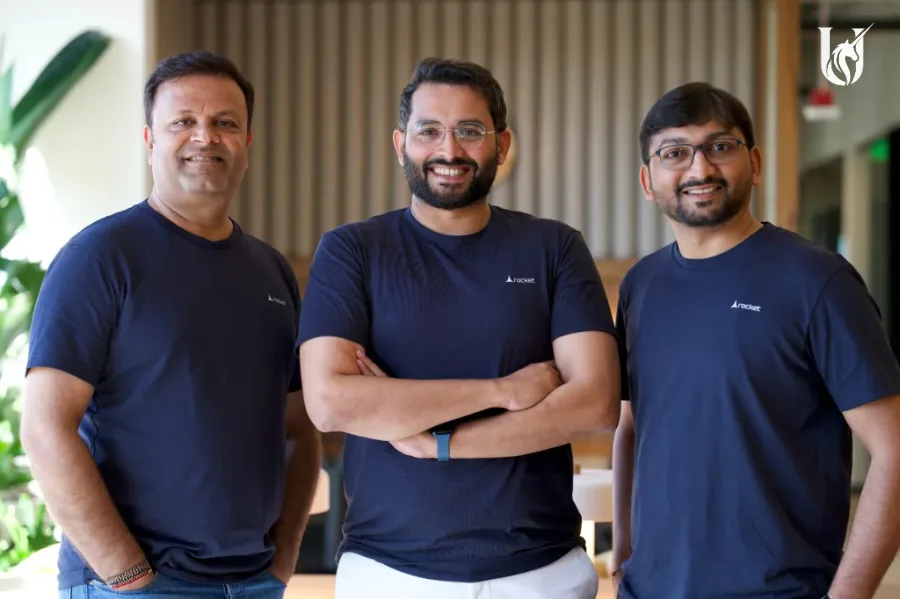
The company, which began as developer-workflow automation platform DhiWise, was founded by Vishal Virani, Rahul Shingala and Deepak Dhanak in 2021. It later pivoted towards AI-powered app development, allowing users to create applications through natural-language prompts.
Rocket.new shutdown: What users need to know
Rocket has already stopped accepting new sign-ups, subscriptions, renewals, plan changes, and additional token purchases. Existing subscribers will not be charged for future renewals.
The company has announced the following transition schedule:
-
Until December 5: Users can continue building projects using their remaining tokens or credits.
-
From December 6: Building and other features that consume credits will be disabled.
-
Until December 31: Users can still access project downloads, website publishing, custom domains, GitHub synchronisation and APK downloads.
-
After December 31: All accounts, projects and data will become inaccessible. Websites hosted on Rocket, including those using custom domains, will also go offline.
Rocket has promised refunds for subscribers whose paid subscription periods extend beyond December 5. The unused portion will be refunded to the original payment method, with processing expected to be completed before December 31.
The company has advised users to export their projects and data well before the final deadline. Its support team will remain available to assist with the transition.
Why Rocket's $40-50 million fundraise fell apart
The shutdown follows a fundraising setback that first came to light in a November 18 report by The Unicorn Magazine.
According to people familiar with the process cited by the publication, Rocket had approached prospective investors with an ARR figure of approximately $60 million. However, EY's financial due diligence reportedly indicated that its actual ARR was in the single digit millions. The review also reportedly flagged inconsistencies involving marketing expenditure, invoices and vendor payments.
Rocket rejected the allegations. Its spokesperson told sources that the due diligence process was not completed because of Virani's health situation and the postponement of the funding round. The company maintained that its receipts were routed through banking channels and that there was no mismatch between its reported and accounted revenue.
The distinction is important: the reported discrepancies have not been established as wrongdoing through a public regulatory or judicial finding.
In a separate statement to sources, Rocket attributed its decision to wind down to the founder's serious medical condition, limited financial runway and its inability to continue product development without his involvement. The company said an external agency would oversee the wind-down process, including reviewing liabilities, preserving records and determining the availability of remaining funds.
From $15 million funding to an abrupt shutdown
Rocket had attracted considerable investor attention after launching its AI app-building platform. In September 2025, it announced a $15 million seed funding round led by Salesforce Ventures, with participation from Accel and Together Fund.
At the time, the company said it had crossed 400,000 users across 180 countries, including more than 10,000 paid subscribers. It also reported ARR of $4.5 million in an interview with sources, while setting ambitious revenue targets for the following months.
Other investors associated with its funding history included India Quotient and Dholakia Ventures. The proposed $40-50 million round involving 360 ONE and Avataar, however, did not materialise.
What Rocket's closure signals for India's AI startup market
Rocket's shutdown highlights a difficult reality for startups operating in the AI application-building market: user adoption and rapid revenue growth claims are not enough to sustain a business without reliable financial reporting, adequate capital and continued product execution.
Vibe-coding platforms promise to make software development accessible through ordinary language prompts. The opportunity has attracted global competitors such as Lovable and Replit, alongside Indian players including Emergent.
But building a commercially sustainable platform requires more than making app creation easier. Infrastructure costs, customer retention, subscription conversions, product reliability and the ability to support applications after launch all matter.
For Rocket's users, the immediate priority is to secure their code, data and hosted websites before the deadline. For founders and investors, the larger lesson is that transparent revenue measurement and operational resilience remain critical, even in a market experiencing extraordinary enthusiasm for AI.
Rocket's December 31 closure will mark the end of the platform, but its story offers a timely reminder that investor excitement and business fundamentals must grow together.