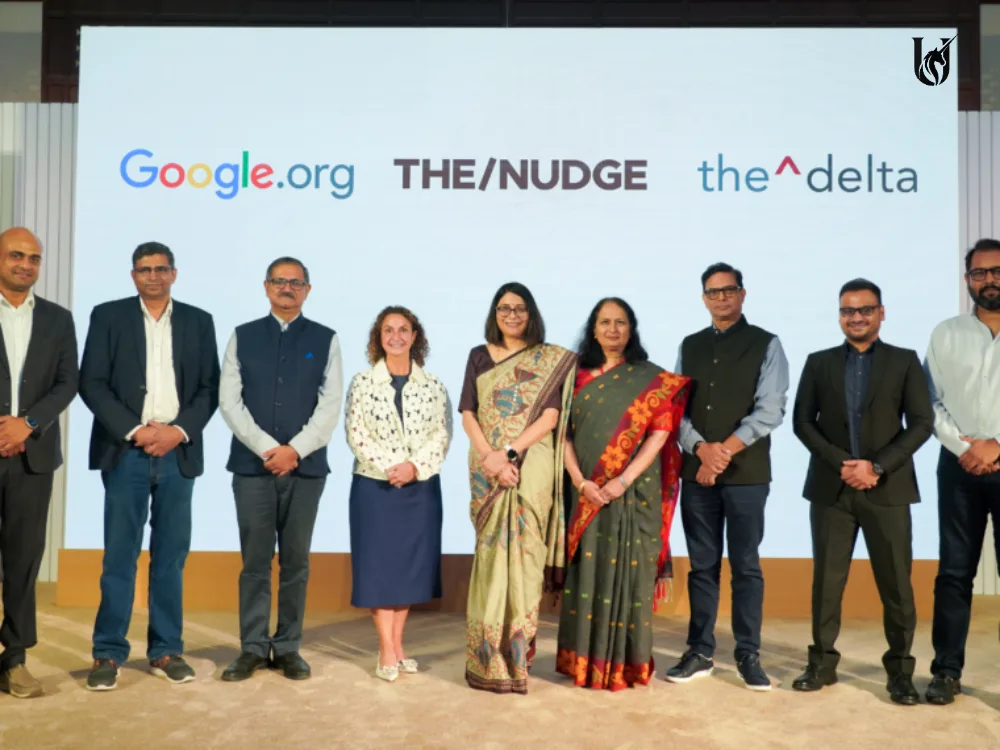
Google.org has committed $15 million to The/Nudge Institute to develop artificial intelligence solutions for India's micro, small and medium enterprises (MSMEs), targeting some of the biggest challenges facing small businesses: access to credit, market opportunities and regulatory compliance.
The initiative will also involve The/Delta, which supports social entrepreneurs, in designing a programme to identify and scale practical AI-driven solutions for small businesses. The funding aims to make AI more accessible to enterprises that often lack the resources and technical expertise available to larger companies.
The announcement comes as India looks to use AI to improve productivity and expand economic opportunities beyond major cities.
- AI Tools to Address Everyday Business Challenges
The programme will launch an open call for proposals to identify solutions to specific business problems. Rather than focusing solely on developing new technology, the initiative will prioritise applications that can help MSMEs improve their day-to-day operations.
The proposed solutions will target four key areas: access to credit, market access, quality improvement and regulatory compliance.
The initiative will also develop a multilingual, voice-led platform designed to train people in Tier III and Tier IV towns in job-ready skills and connect them with small businesses.
Preeti Lobana, Google's India VP and country manager, said AI must become a practical tool for the businesses driving India's economic growth, rather than remain a technology accessible mainly to larger enterprises.
Google's announcement estimates that India has more than 90 Mn small businesses employing over 345 Mn people. Improving their productivity could have implications for employment, entrepreneurship and the wider economy.
- The/Delta to Use a Milestone-Based Funding Model
The/Delta will design the programme around “stage-gated grand challenges” competitive rounds in which proposed solutions must meet defined milestones to progress. The approach is intended to support practical innovations and establish open standards that make MSMEs more competitive, creditworthy and visible to international buyers.
The distinction matters. Better access to credit depends not only on lending technology but also on reliable business records, compliance and information that lenders can assess. Similarly, reaching new markets requires businesses to demonstrate product quality and meet buyer requirements.
For founders and small-business owners, the initiative's value will ultimately depend on whether these tools are affordable, easy to use in local languages and capable of producing measurable improvements in business outcomes.









/indianstartupnews/media/media_files/2026/08/04/nitish-mittersain-hands-over-nazara-ceo-role-to-raymond-stauffer-2026-08-04-23-21-50.jpeg)