Pune-based renewable fuels startup Greenjoules secured Rs 150 Cr in a Series B funding round co-led by Amazon’s Smbhav Venture Fund and Climate Pledge Fund, while separately securing a Rs 100 crore loan from the government-backed Technology Development Board (TDB). The combined Rs 250 crore financing will support the company's plan to build a large-scale biocrude manufacturing facility in Khed City, Pune, with a proposed capacity of 200,000 litres per day.
The equity round also saw participation from Rainmatter, the investment arm of Zerodha, and Singularity’s Strategic Autonomy Fund. Blue Ashva Capital, which led Greenjoules’ Series A round in 2021, continues to be its largest shareholder, according to the company.
The financing marks a significant step in Greenjoules’ effort to scale its agricultural-waste-to-fuel technology from its existing operations to a larger commercial manufacturing base.
Amazon Funds, Rainmatter Back Greenjoules’ Series B
Rs 150 Cr Series B round is co-led by Amazon’s Smbhav Venture Fund and Climate Pledge Fund, with Rainmatter and Singularity’s Strategic Autonomy Fund joining as investors.
The separate Rs 100 Cr loan from TDB, which operates under the Department of Science and Technology, takes the total financing announced for the expansion to ₹250 crore. The distinction is important: the Series B represents equity funding, while the TDB support is debt financing and will have separate repayment obligations.
Greenjoules had earlier secured $4.5 mn, approximately Rs 33 crore at the time, in a combination of equity and debt from Blue Ashva Capital in 2021. In August 2026, Inc42 also reported that the company had allotted approximately ₹62 crore worth of Series B1 compulsorily convertible preference shares to Amazon and Singularity, based on corporate filings. The latest announcement provides the company's stated Series B round size of ₹150 crore.
200,000 Litre Biocrude Plant Planned In Pune
The fresh capital will support a new manufacturing facility at Khed City in Pune, designed to process agricultural waste into biocrude at a planned capacity of 200,000 litres per day.
According to the company’s announcement, construction and development will take place in phases beginning in 2027. Once completed, the facility is expected to be among India's largest of its kind.
Greenjoules currently operates from Chakan near Pune, where it has developed and tested its fuel-conversion process. The new facility is intended to expand production capacity and strengthen the company's ability to serve industrial and transport-sector customers.
The Technology Development Board had separately announced its support for Greenjoules in June 2026 for the commercialisation of indigenous second-generation diesel-equivalent biofuel technology. Its project description identifies the proposed products as Abhilasha Biofuels, including renewable diesel and renewable naphtha alternatives.
How Greenjoules Converts Agricultural Waste Into Fuel
Founded in 2018, Greenjoules develops renewable fuels from agricultural residues and agro-industrial waste using its proprietary thermochemical conversion technology, known as Integrated Catalytic Thermocracking (ICTC).
The process converts biomass residues into biocrude, which is further processed into renewable diesel and bio-naphtha. The Technology Development Board describes the company's broader process as combining thermal cracking, catalytic upgrading and downstream refining.
The company says its technology has produced fuel from nearly 40 different feedstocks, indicating its ability to work with different types of agricultural and agro-industrial residues.
One of the key commercial features is the drop-in nature of its renewable diesel. It is designed to be used in existing diesel engines, fuel systems and distribution infrastructure without requiring modifications. This could reduce the need for customers to make significant changes to their existing equipment when adopting alternative fuels.
Greenjoules is also exploring applications in sustainable aviation fuel (SAF), green hydrogen and sustainable materials, although these represent areas of future development rather than the company's current disclosed production scale.
Founders And The Company's Growth Journey
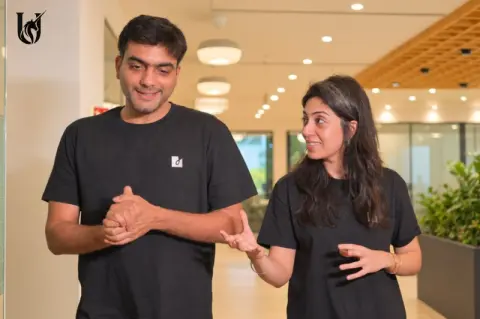
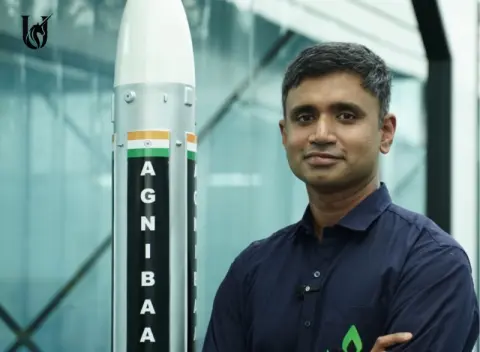
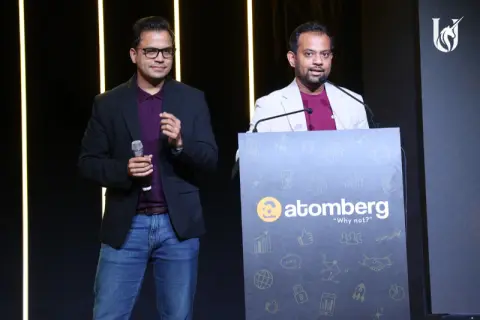
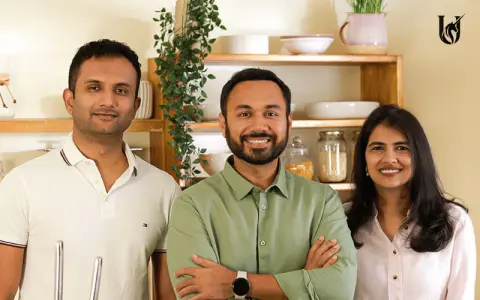
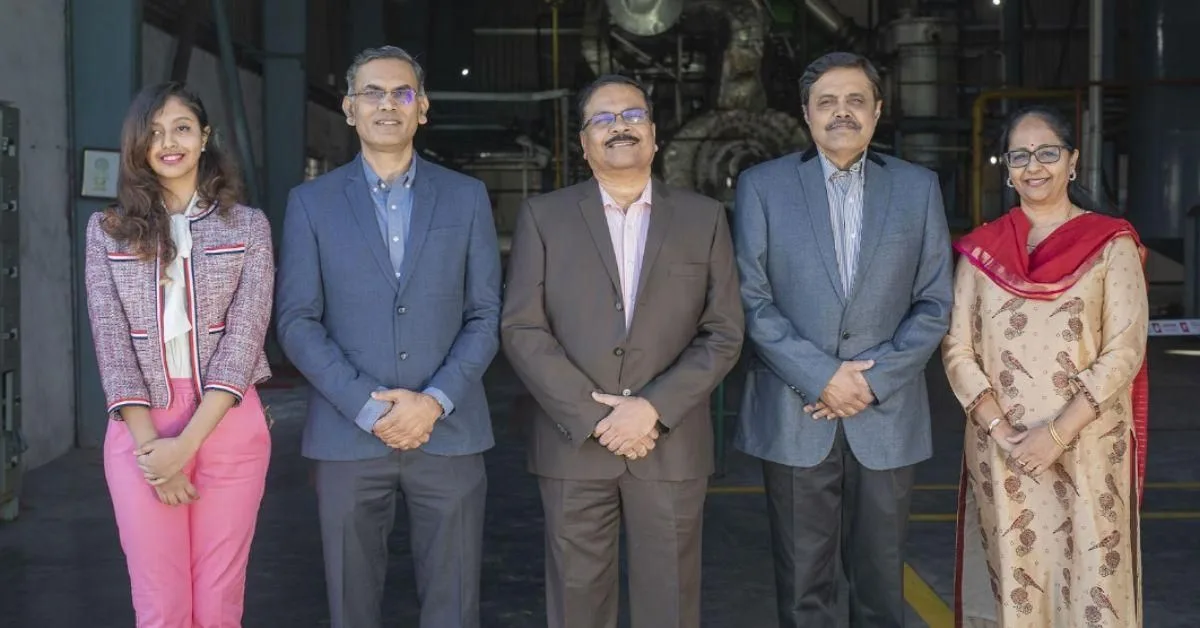
Greenjoules was established in 2018. Its 2021 Series A funding announcement identified the founding team as V Radhika, V S Shridhar, S Viraraghavan and R Sethunath. The company's latest announcement also identifies Shweta Viraraghavan as a co-founder and chief technology officer.
The company has focused on developing fuel alternatives that can use non-food agricultural residues rather than competing directly with food crops for raw materials. Its approach connects two important parts of India's energy transition: reducing dependence on imported fossil fuels and creating commercial value from agricultural waste.
For farmers and agricultural supply-chain participants, the model could create additional demand for crop residues that might otherwise be discarded or burned. However, the scale of that benefit will depend on reliable feedstock collection, transport economics and long-term purchase arrangements.
What The Investment Means For India's Biofuel Sector
The investment comes as India looks to expand domestic alternatives to conventional petroleum fuels. The Technology Development Board's support for Greenjoules reflects the government's interest in taking indigenous energy technologies from development into commercial manufacturing.
For investors, the deal also highlights the capital requirements of climate technology businesses. Unlike software startups, biofuel manufacturers need substantial investment in industrial facilities, process equipment, feedstock logistics and quality-control systems before they can reach meaningful production scale.
The key execution challenges for Greenjoules will include commissioning the proposed plant on schedule, securing a consistent supply of agricultural residues, maintaining fuel quality and building dependable customer demand.
The ₹250 crore financing gives the company additional resources to address these requirements. Whether the Khed City facility can achieve its planned capacity and operate commercially at scale will be the next important test for the startup.
By bringing Amazon-backed funds, Rainmatter and government technology financing into the same expansion plan, Greenjoules is positioning agricultural waste as a potential industrial feedstock for India's next generation of renewable fuels.