Walmart-backed fintech company PhonePe has revived its IPO plans and is targeting a stock market listing in February-March 2027, with a proposed valuation of $12 billion to $15 billion (approximately Rs 1.2 lakh Cr to Rs 1.5 lakh Cr).
Bengaluru-based digital payments company is expected to raise around Rs 12,000 Cr to Rs 14,000 Cr through an OFS, according to merchant bankers familiar with the development. The proposed issue will reportedly involve existing shareholders selling their stakes rather than PhonePe issuing fresh shares to raise new capital.
The company is expected to file an updated draft prospectus with the Securities and Exchange Board of India (SEBI) in the coming weeks. Reuters separately reported that updated draft papers could be submitted within 30 to 45 days. PhonePe has not publicly confirmed the proposed valuation, issue size or listing schedule.
PhonePe had put its listing plans on hold in March 2026 amid geopolitical uncertainty, volatile equity markets and concerns over investor sentiment. The company has now reportedly restarted discussions with investment bankers as market conditions improve and foreign portfolio investors return to Indian equities.
The renewed IPO effort also follows a recovery in the company's operating performance. Bankers cited in recent reports said PhonePe's revenue has returned to approximately 40% year-on-year growth, excluding merchant discount rate (MDR) income and digital incentives.
The company has also reportedly turned PAT positive at the group level in the first half of the current financial year, without adjusting for ESOP costs. Its lending distribution business has nearly doubled year-on-year, according to people familiar with the company's performance.
These figures should be viewed in context. The Unicorn Magazine reported that PhonePe's consolidated revenue increased 11% to Rs 7,920 crore in FY26, while its consolidated net loss widened 62% to Rs 2,792 Cr. The reported 40% growth figure uses a different revenue basis and should not be compared directly with the company's full year reported revenue growth.
Walmart and Other Investors Could Sell Shares
The proposed IPO is expected to provide an exit opportunity for some existing investors. Source reported that Walmart could reduce its stake by around 12%, while Tiger Global and Microsoft are expected to exit through the proposed secondary share sale.
The final number of shares offered by each investor, the issue structure and the price band will become clearer through the updated offer documents.
An entirely OFS-based IPO has a different financial implication from a fresh issue. Since the shares are sold by existing shareholders, the proceeds go to the selling investors rather than directly into PhonePe's balance sheet. For public-market investors, the transaction will therefore place greater emphasis on the company's valuation, operating performance and long-term earnings potential.
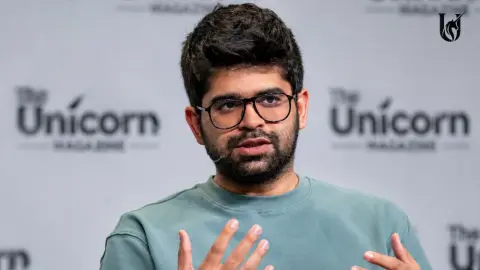
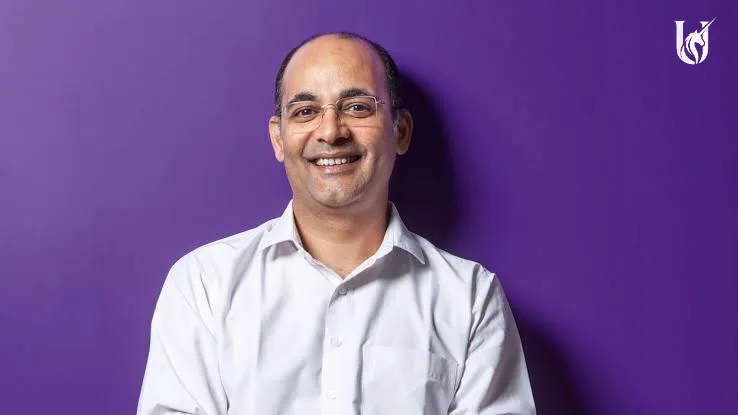
PhonePe was founded in 2015 by Sameer Nigam, Rahul Chari and Burzin Engineer. Nigam serves as the company's Chief Executive Officer, Chari is its Chief Technology Officer, and Engineer is its Chief Reliability Officer, according to the company's official leadership information.
The company was initially part of the Flipkart Group before becoming a separate payments business. Walmart became its controlling shareholder following its acquisition of Flipkart in 2018.
PhonePe has since expanded beyond UPI payments into merchant services, financial product distribution, insurance, lending partnerships, stockbroking and other digital services.
PhonePe's proposed public listing could become one of India's most closely watched fintech IPOs, particularly given its scale in the country's digital payments ecosystem.
However, the valuation will depend on more than its UPI transaction volumes and registered user base. Investors are likely to examine the company's ability to generate sustainable revenue from payments, merchant services and financial product distribution, while managing customer acquisition, technology and employee-related costs.
The distinction between reported profitability and profitability before or after specific adjustments will also matter. Investors will need to assess the quality and sustainability of earnings rather than relying only on growth figures shared by people familiar with the business.
For India's startup ecosystem, the listing could offer a significant public-market test of how investors value a large digital payments platform whose core business operates in a highly competitive and regulated environment.
The proposed February–March 2027 timeline remains subject to market conditions, regulatory filings and the company's final decisions. The updated DRHP will be an important document for understanding the IPO's structure, shareholder exits, financial performance and key risks.