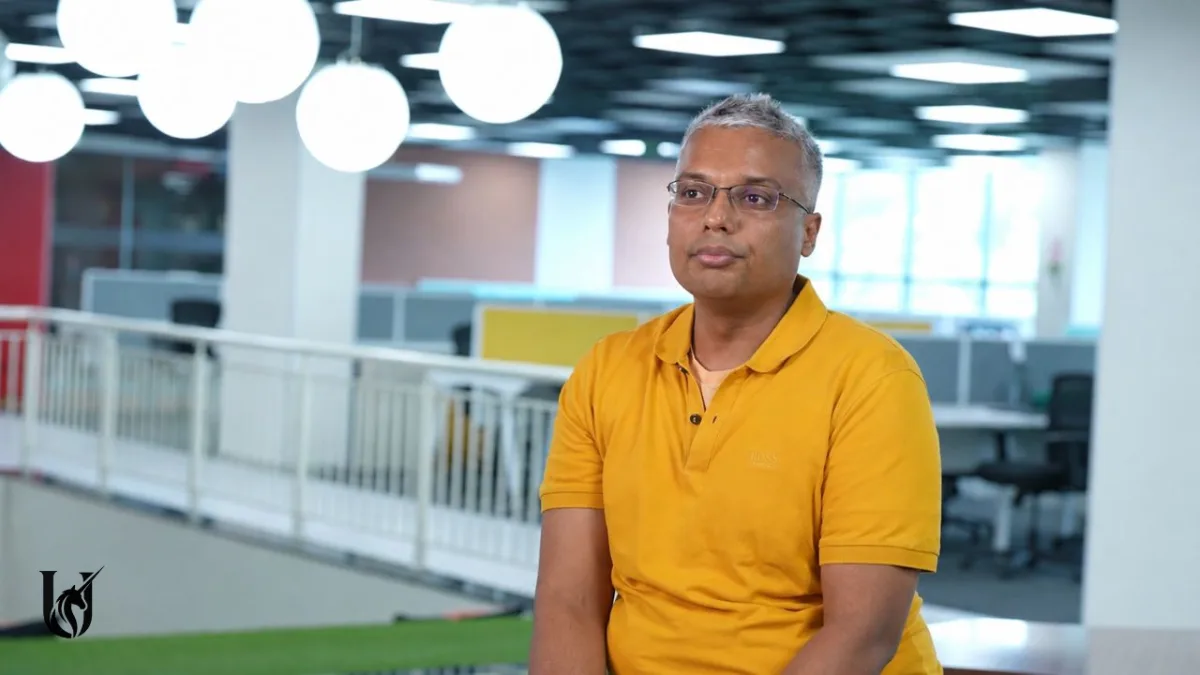

Flipkart-backed fintech platform super.money more than tripled its operating revenue to Rs 292.4 crore in FY26, but its net loss widened 78.5% to Rs 263.8 Cr as spending on business promotion and employee costs increased.
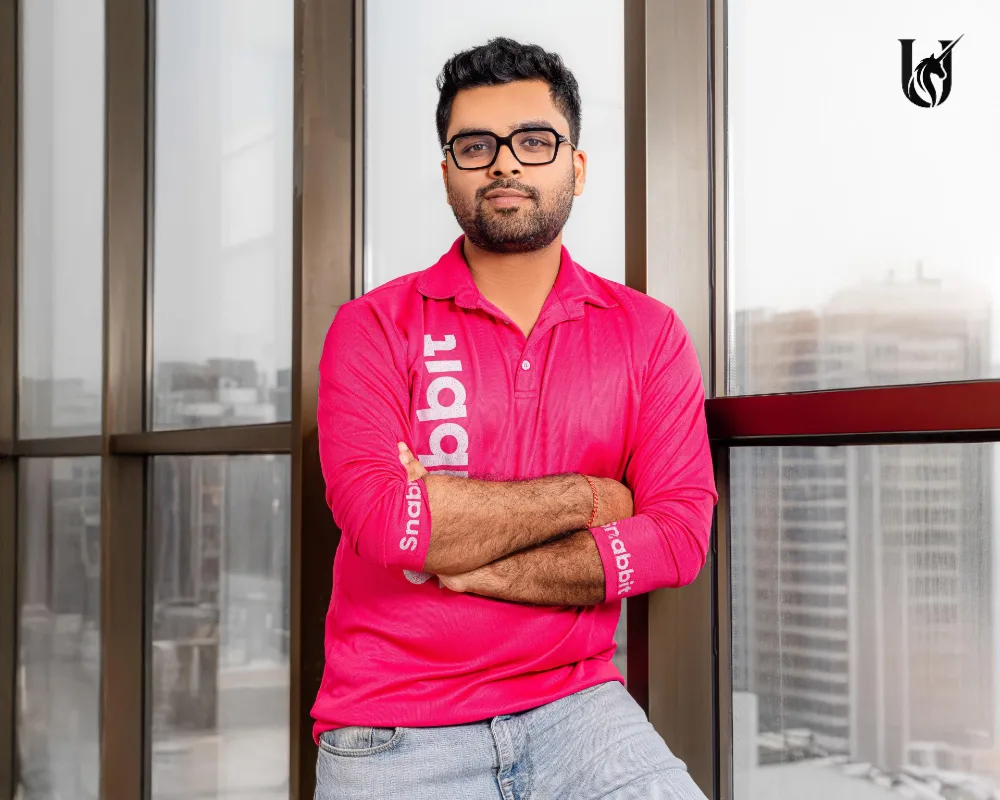
The figures highlight the challenge facing founder and CEO Prakash Sikaria as the company expands beyond UPI payments into credit and other financial services. While revenue growth points to a larger business, the rise in expenses shows that scaling the platform is still costly.
Launched by Walmart-owned Flipkart in 2024, super.money has been building a financial services business around UPI payments, credit products, fixed deposits and co-branded credit cards.
super.money FY26 Financial Performance
|
Financial metric |
FY26 |
FY25 |
|---|---|---|
|
Operating revenue |
Rs 292.4 Cr |
Rs 88.8 Cr |
|
Net loss |
Rs 263.8 Cr |
Rs 147.8 Cr |
|
Total expenses |
Rs 557.1 Cr |
Rs 241.8 Cr |
|
Other income |
Rs 0.9 Cr |
Not specified in supplied figures |
Operating revenue increased by around 229% YoY, while total expenses rose approximately 130%. The company reported total income of Rs 293.3 Cr, including Rs 90 lakh in other income.
The gap between revenue and spending remains significant. The company’s reported loss widened despite the sharp increase in operating revenue, making the efficiency of its customer acquisition and credit-led expansion important areas to watch.
Loan Marketplace Drives Nearly 85% of Revenue
The loan marketplace was super.money’s largest revenue source, generating Rs 247.8 Cr, or about 84.7% of operating revenue in FY26. The platform connects borrowers with banks and non-banking financial companies (NBFCs), allowing it to earn income from credit-related services.
The company also offers UPI payments, fixed-deposit booking and co-branded credit cards. This broader product mix gives super.money more ways to earn from its user base than payments alone, while making its performance increasingly linked to the growth of its credit marketplace.
Where super.money Spent in FY26
Total expenses climbed 130% YoY to Rs 557.1 Cr from Rs 241.8 Cr. Business promotion was the biggest cost, exceeding the company’s entire operating revenue for the year.
|
Expense category |
FY26 |
YoY change |
|---|---|---|
|
Business promotion |
Rs 341 Cr |
More than 3.3 times |
|
Employee benefits |
Rs 138.1 Cr |
Up 73.8% |
|
Marketplace charges |
Rs 15.6 Cr |
Down 64.2% |
|
Finance costs |
Rs 11.1 Cr |
Up from Rs 0.1 Cr |
|
Other expenses |
Rs 47.9 Cr |
Up 177.2% |
Business promotion spending rose from around Rs 101.3 Cr in FY25 to Rs 341 Cr in FY26. That level of investment may support customer acquisition and brand visibility, but the key measure over time will be whether those users generate enough repeat activity and revenue to justify the cost.
super.money Ranks Fifth in UPI Transactions
In September 2026, super.money processed approximately 40.51 crore UPI transactions worth Rs 19,613.3 Cr, placing it fifth among UPI apps by transaction volume that month. It held around 1.69% of the market by transaction count, according to published NPCI data.
The scale of its UPI activity gives the company a route to reach consumers before offering additional financial products. However, transaction volume alone does not show how much money the business earns from each user or how effectively it converts payment activity into profitable credit services.
BharatX Deal Strengthened Its Credit Strategy
In February 2025, super.money acquired the technology and key team members of Y Combinator-backed fintech startup BharatX for an undisclosed amount. The deal was aimed at strengthening checkout financing, including buy-now-pay-later (BNPL) and consumer-durable loans. It was primarily a technology and team acquisition, rather than a full acquisition of BharatX’s business.
Founder and CEO Prakash Sikaria, formerly a senior Flipkart executive, is leading the platform’s expansion across payments and credit. The FY26 figures show that credit-related services have become central to the company’s revenue, while marketing and operating costs remain high.
For super.money, the next test is not simply to add users or increase transactions. It is to turn that scale into more efficient customer acquisition, sustainable credit-marketplace income and a narrower loss.