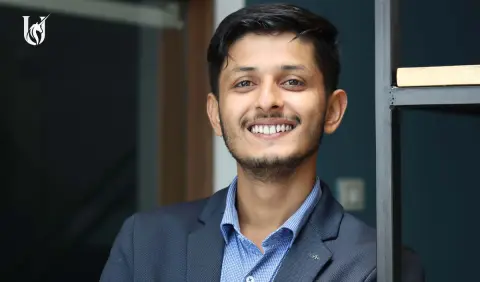
About the Founder
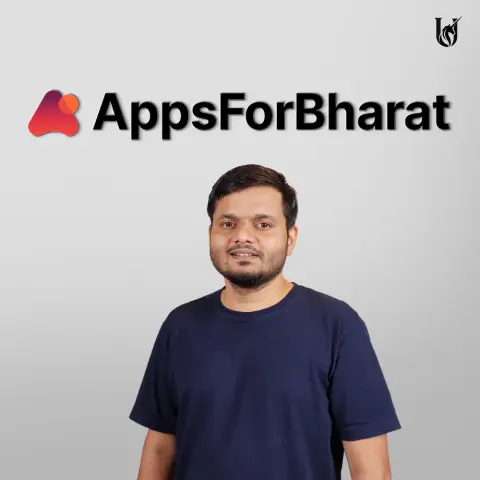
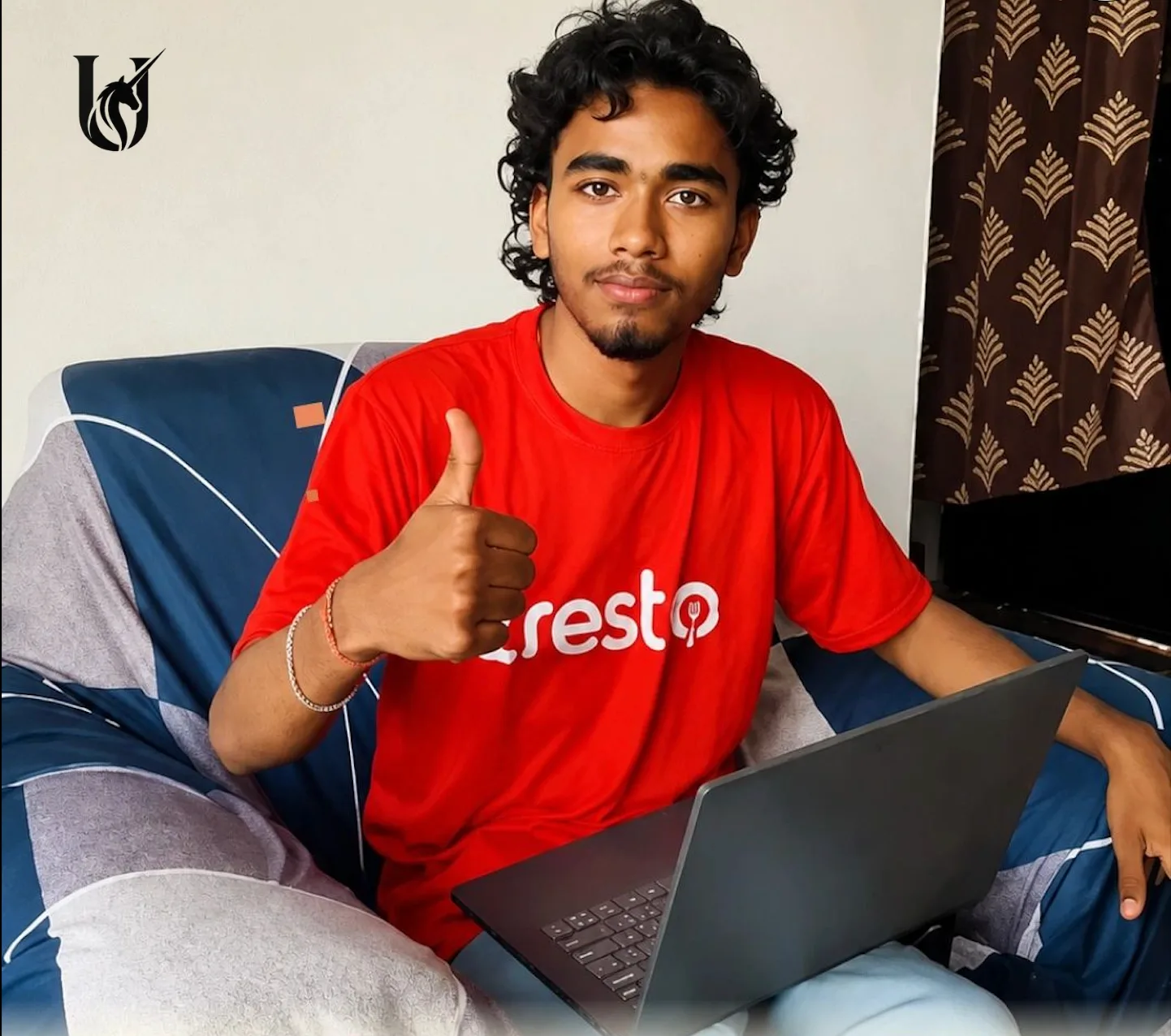
Most successful food delivery startups were built for India's biggest cities. Rishu Raj saw an opportunity where almost nobody was looking.
Growing up in Mahua, Bihar, he witnessed how people in small towns had restaurants nearby but no reliable way to order food online. While metro cities enjoyed the convenience of Swiggy and Zomato, Tier-3 and Tier-4 towns were still waiting for someone to build a solution.
At an age when most students were focused on entrance exams and government jobs, Rishu decided to solve a local problem instead.
A Problem Hidden in Plain Sight
While preparing for competitive exams and later studying Data Science and AI, Rishu kept noticing one thing.
Families wanted restaurant food without travelling long distances. Women in many villages found it difficult to visit restaurants regularly, while local restaurants had no digital platform to reach customers.
Instead of assuming what people wanted, he spent weeks talking to restaurant owners and customers.
The conclusion surprised him.
The problem wasn't demand.
The problem was that nobody had built the infrastructure.
That conversation became the foundation of Zrestro.
The Birth of Zrestro
In 2025, Rishu launched Zrestro without raising a single rupee of funding.
Since he knew programming, he designed and developed the complete platform himself, from the customer app to the backend systems. The only major expense was server hosting, which he paid for using income from freelance projects.
The first version of Zrestro was extremely simple.
There were no fancy dashboards, no automated delivery systems, and no large operations team. Orders were managed manually, while friends helped deliver food across the town.
The goal wasn't perfection.
It was proving that people would actually order food online in a small town.
Building Trust Before Building Scale
Winning the first customers wasn't easy.
To encourage people to try online ordering, Rishu introduced free delivery and even offered a complimentary Campa Cola with every first order.
His friends became his first marketers, sharing order screenshots on WhatsApp and encouraging others to download the app.
School students also joined the movement, creating videos about Zrestro in exchange for free meals.
A local influencer later promoted the platform for nothing more than a Rs 200 pizza.
These simple, low-cost marketing ideas helped Zrestro grow completely through word of mouth.
Within two months, the platform crossed 10,000+ downloads.
Creating Value for Restaurants
Getting restaurants online was another challenge.
Many restaurant owners had never worked with food delivery apps before. Some didn't even serve popular dishes like pizza.
Instead of simply onboarding them, Rishu worked alongside them.
He suggested adding high-demand menu items, introduced affordable half-plate options starting at Rs 100, and helped restaurants understand digital ordering.
As orders increased, many partner restaurants began earning Rs 20,000-Rs 30,000 every week through Zrestro.
The startup wasn't just helping customers.
It was helping local businesses grow.
Growing Without Funding
Unlike many startups that raise capital before finding customers, Zrestro followed the opposite approach.
The company grew without external investment, relying entirely on customer revenue.
Today, the platform has:
- 25,000+ app downloads
- 14,000-15,000 active users
- 100-200 daily orders
- 60%+ repeat customer rate
- Rs 30 lakh in revenue since launch
Even after operational expenses, the company has managed to build savings that will fund its next phase of expansion.
The Vision Ahead
What started in a small town is now preparing for a much larger journey.
Zrestro is expanding beyond Mahua with a franchise-led model designed specifically for underserved towns where national food delivery platforms still have limited reach.
For Rishu, success isn't about competing with metro-city startups.
It's about ensuring that people living in small towns enjoy the same digital convenience as those in India's biggest cities.
His story proves that great startups don't always begin in Bengaluru or Mumbai.
Sometimes, they begin in a village, where someone chooses to solve a problem everyone else ignored.