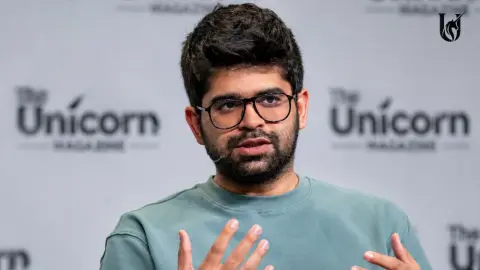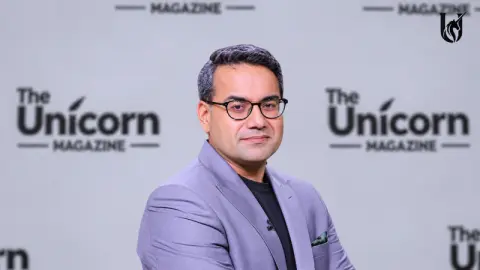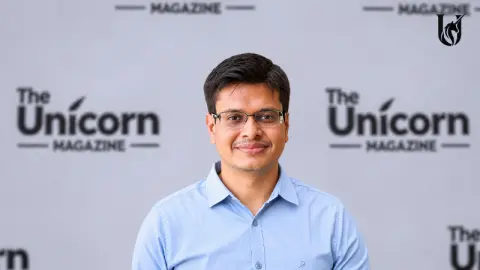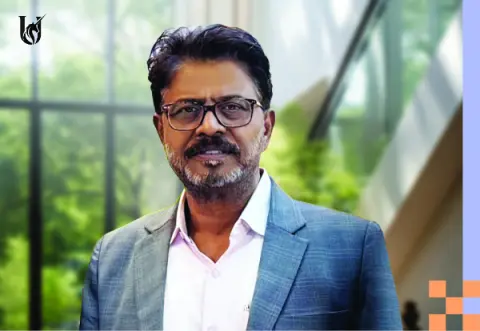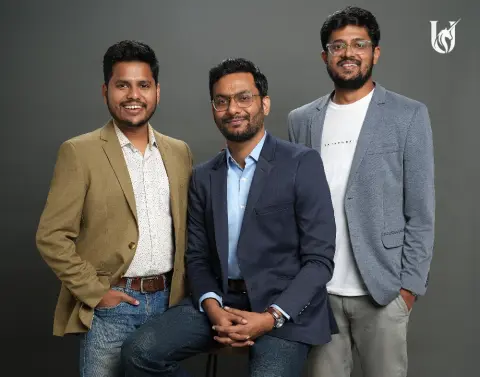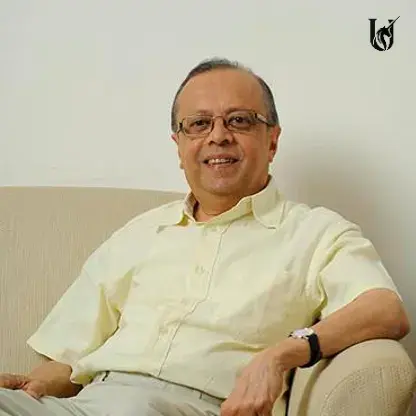
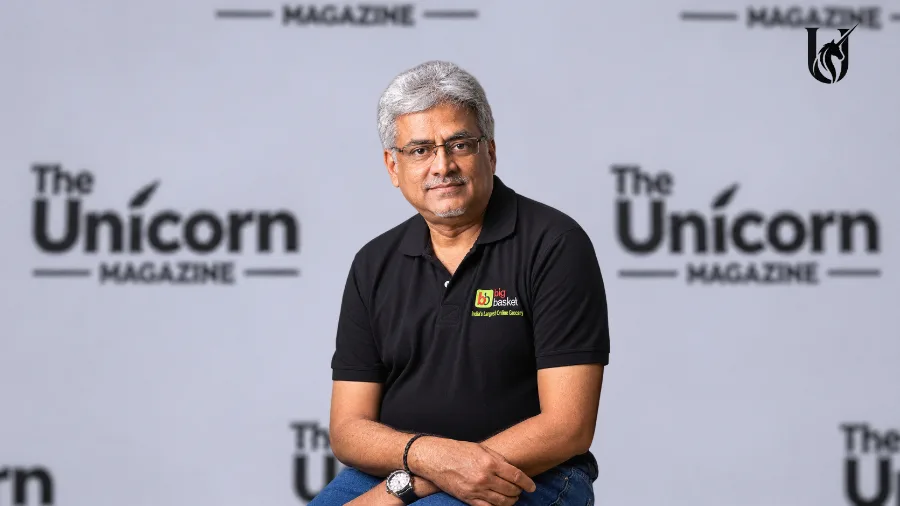
Before BigBasket became one of India’s biggest online grocery platforms, Hari Menon had already tried to sell groceries online, and failed. His first attempt, Fabmart, came in 1999, at a time when most Indians had never bought anything on the internet. Years later, he returned to the same idea with the same group of co-founders, but this time India had changed. Smartphones were everywhere, digital payments were growing and people were becoming comfortable shopping online. BigBasket was his second chance, and this time, the timing was right.
Hari Menon Early Life and Education
Hari Menon was born in 1963 and grew up in Bandra West, Mumbai. Cricket was an important part of his early life, and he later became associated with the Karnataka Cricket Association. He studied at The Lawrence School, Lovedale, before pursuing mechanical engineering at BITS Pilani. He later completed his MBA from Carnegie Mellon University in Pennsylvania, giving him a strong mix of technical and business knowledge.
Life Before BigBasket
Hari’s career did not follow the straight path of a typical entrepreneur. He worked with companies including Wipro Infotech, TVS Electronics and Planetasia, one of India’s early internet service companies. He later became CEO of Indiaskills, a vocational education venture linked with the Manipal Group and City & Guilds UK. Each role exposed him to a different part of India’s changing business and technology landscape.
The Idea That Came Too Early
In 1999, Hari Menon and four friends, Vipul Parekh, Abhinay Choudhari, V S Sudhakar and V S Ramesh, decided to build something that was still unusual in India: an online shopping business. They launched Fabmart, offering products such as groceries, books and CDs through the internet. The idea looked exciting on paper, but India simply was not ready for it. Internet access was limited, online payments were difficult and customers were still far more comfortable buying products from physical stores.
When Fabmart Failed
The problem was not necessarily the idea. The problem was timing. Online grocery needed reliable internet, digital payments, strong logistics and customers willing to trust a website with their money. None of these pieces were mature enough in India at the time. When the dot-com boom collapsed, Fabmart could not survive, but Hari Menon and his co-founders refused to let the experience become the end of their entrepreneurial journey.
The Pivot That Changed Everything
Instead of walking away from grocery retail, the founders moved offline. Fabmart was transformed into Fabmall, a physical grocery retail business, and was combined with Trinethra, another South Indian grocery chain. The team started learning the grocery business the hard way, through stores, suppliers, inventory, customers and daily operations. What looked like a setback slowly became the training ground for their biggest venture.
Building Fabmall From the Ground Up
Fabmall expanded across South India, including Karnataka, Andhra Pradesh, Tamil Nadu and Kerala. The business eventually grew to more than 200 stores, giving the founders something that would later prove extremely valuable: real experience in grocery retail. They understood what customers wanted, how fresh products needed to be handled and how complicated supply chains could become. In 2006, the Aditya Birla Group acquired the business, which later became known as More.
The Failure That Became an Advantage
For many entrepreneurs, failing once is enough to make them leave an industry forever. For Hari Menon, Fabmart became a lesson. His years running physical grocery stores taught him things that an online business plan could never fully explain. He learned about sourcing, perishables, inventory, customer behaviour and last-mile delivery. When he eventually returned to online grocery, he was not starting from zero anymore.
Why Hari Menon Tried Again
The world around him had changed dramatically by 2011. Internet access was improving, smartphones were becoming common and online shopping was slowly becoming normal for Indian consumers. Hari realised that the problem with Fabmart had not been that Indians would never shop online. India simply needed time. So, at around the age of 50, he decided to take another shot at the same dream.
The Birth of BigBasket
In December 2011, Hari Menon and his former Fabmart partners launched BigBasket in Bengaluru. The company started with a simple promise, make everyday grocery shopping easier and bring the products customers needed directly to their homes. In the beginning, the team focused heavily on fruits and vegetables, where quality and freshness could make or break customer trust. It was not a glamorous beginning, but it was built around a problem millions of Indian families understood.
The Founders Started From the Market
BigBasket's early days were far from the polished startup world people see today. The founders were reportedly waking up around 3:30 AM to buy fresh produce from wholesale markets themselves. They wanted to understand quality firsthand and make sure customers received what they had ordered. That attention to detail mattered because grocery is different from buying a phone or a pair of shoes. If the vegetables arrive poor or the milk is late, customers quickly lose trust.
The First Big Break
The business gradually started gaining traction. In February 2012, BigBasket raised around Rs 61 crore, giving the company the capital needed to expand its operations. From Bengaluru, it moved into other major cities, including Hyderabad and Mumbai. The founders chose steady expansion rather than trying to cover the entire country overnight. Their focus was simple: build the supply chain, earn customer trust and make people order again.
Growth Came Through Repeat Customers
BigBasket's biggest strength was not simply the number of products listed on its platform. It was the habit it created among customers. People who were tired of spending hours shopping for household essentials could place an order from home and have it delivered. Word of mouth and repeat purchases became important drivers of growth. In grocery, getting someone to order once is useful; getting them to order every week is the real victory.
BigBasket Became a Household Name
The company continued expanding its product range and geographic reach. It moved beyond fruits and vegetables to offer everything from packaged foods and household supplies to personal-care products. In 2014, BigBasket brought Shah Rukh Khan on board as its brand ambassador, giving the young company massive visibility. The brand was no longer just an online grocery experiment, it was becoming a familiar name among Indian consumers.
The Road to Unicorn Status
By 2019, BigBasket had raised substantial capital and crossed the unicorn milestone. Investors such as Alibaba and CDC Group backed the company as online grocery became an increasingly important part of India's digital economy. The achievement was significant because the business had travelled a long distance from Fabmart's failure in 2001. Hari Menon's original idea had finally found the market it needed.
The Tata Deal Changed BigBasket Forever
In 2021, Tata Digital acquired a majority stake in BigBasket's B2B arm, Supermarket Grocery Supplies, in a transaction that valued the business at roughly $3.2 billion, according to widely reported estimates. The deal brought BigBasket under the Tata Group ecosystem and gave the company access to a powerful brand, capital and a much larger business network. For Hari Menon, it was a remarkable moment, the online grocery idea that had once failed had now become a multibillion-dollar business.
BigBasket Faced a New Problem
But the Tata acquisition was not the end of the story. The grocery market was changing again, and this time the change was happening extremely fast. Companies such as Blinkit, Zepto and Swiggy Instamart were teaching customers to expect groceries in minutes rather than hours. BigBasket had built its business around planned grocery shopping, while quick-commerce companies were building businesses around instant convenience.
Hari Menon Had to Change His Thinking
Menon was initially sceptical about the economics of 10-minute delivery. His concerns were understandable because quick commerce requires expensive dark stores, dense delivery networks and high order volumes. But consumer behaviour was moving faster than traditional business models. Customers were increasingly asking a simple question: “Why wait when I can get it in minutes?” BigBasket eventually realised that it could not ignore this shift.
BB Now: BigBasket Enters Quick Commerce
BigBasket responded by expanding BB Now, its quick-commerce offering. What began as a grocery service gradually moved into a much broader convenience proposition. Customers could order groceries and everyday essentials, while the company also explored categories such as electronics, medicines and other products in selected markets. The move showed another important side of Menon's leadership, knowing when an old strategy needs to change.
The BigBasket Business Is Changing Again
By 2025, quick commerce had become a major part of BigBasket's business, with reports putting BB Now at close to 80% of the company's revenue. The company was also expanding its dark-store network and looking at a much wider city footprint. BigBasket's journey had come full circle: the company that once struggled to convince Indians to shop for groceries online was now competing to deliver those groceries within minutes.
BigBasket's Biggest Achievement
BigBasket's biggest achievement may not be its valuation or the number of cities it serves. It is the fact that it helped change how Indians think about grocery shopping. The company took a routine household task and made it possible to complete it from a phone. It also helped prove that Indian consumers were willing to trust an online platform with something as personal and frequent as their daily groceries.
Hari Menon's Leadership Style
Hari Menon's story is built around patience rather than overnight success. He did not build BigBasket after one brilliant idea or one lucky investment. He spent years understanding the industry, failed once, built a physical retail business and then returned to the internet when the market was ready. His journey shows the value of staying close to the problem instead of becoming obsessed with the first version of the solution.
The Man Who Started Again at 50
Starting a new company at around 50 is not the usual startup story. By that age, many people are focused on stability, while Hari Menon chose to start over. He already had a failed online business behind him and a successful retail journey to his credit. Yet he was willing to take another risk because he believed the opportunity had finally arrived. That decision changed his career and the Indian grocery market.
Hari Menon and the Power of Timing
One of the biggest lessons from his journey is that a good idea can fail simply because the world is not ready for it. Fabmart arrived when internet access, payments and online consumer trust were still developing. BigBasket arrived when those pieces were beginning to come together. The idea was almost the same, but the timing was completely different.
Hari Menon Net Worth and BigBasket Valuation
Hari Menon's exact personal net worth is not publicly disclosed through a reliable, consistently updated source, so it is better not to attach a fixed personal wealth figure without strong evidence. BigBasket, however, reached a reported valuation of around $3.2 billion at the time of the Tata transaction in 2021. That valuation represented a remarkable jump from the early days when the founders were building the business with limited resources and fighting to earn their first loyal customers.
The Tata Group Connection
Tata Digital's investment gave BigBasket a place inside one of India's most respected business groups. The deal also connected BigBasket with a wider digital ecosystem that includes other Tata consumer and technology businesses. For the company, this created opportunities to build a broader digital commerce platform rather than remaining only an online grocery company.
What Hari Menon's Journey Teaches Entrepreneurs
Hari Menon's journey offers a lesson that is easy to understand but difficult to follow: failure is not always a full stop. Sometimes it is simply feedback. Fabmart showed him what India was missing, Fabmall taught him how grocery actually works, and BigBasket allowed him to combine those lessons when the market was finally ready.
Key Lessons From Hari Menon's Success Story
A good idea can arrive too early: Fabmart struggled because the ecosystem was not ready, not necessarily because online grocery was a bad idea.
Experience compounds: The years spent running Fabmall gave Hari a deep understanding of grocery operations.
Starting again is not failure: Menon returned to online grocery after his first attempt failed, proving that a setback does not have to define an entrepreneur.
Watch the customer: BigBasket eventually embraced quick commerce because customer expectations changed.
Think long term: The journey from Fabmart to BigBasket took more than a decade and required patience most founders would find difficult.
Keep evolving: The company moved from online grocery to a quick-commerce model when the market demanded it.
From Fabmart Failure to BigBasket Success
Hari Menon's story is not the usual tale of an entrepreneur who had an idea and immediately turned it into a billion-dollar company. It is much more human than that. He tried, failed, changed direction, learned the business from the ground up and then tried again. The second attempt worked because the founder had changed, and India had changed with him.
The Man Behind BigBasket
Today, Hari Menon represents a different kind of entrepreneurial success. His journey was not built on being first alone; it was built on being willing to learn after being first and failing. Fabmart gave him the idea, Fabmall gave him the experience, and BigBasket gave that idea the right platform. His story is a reminder that sometimes the biggest success of your life comes from the idea you once thought had failed.
Conclusion: Sometimes the Idea Is Right, Just Too Early
Hari Menon's biggest lesson is perhaps the simplest one: don't confuse bad timing with a bad idea. Fabmart failed in 1999 because India was not ready for online grocery. Twelve years later, BigBasket arrived with better technology, changing consumer habits and a stronger understanding of the grocery business. From waking up before sunrise to buy vegetables to building a company valued at billions of dollars, Menon's journey proves that success does not always belong to the person who starts first. Sometimes, it belongs to the person who is willing to start again.