
A Young Dreamer with Global Ambitions
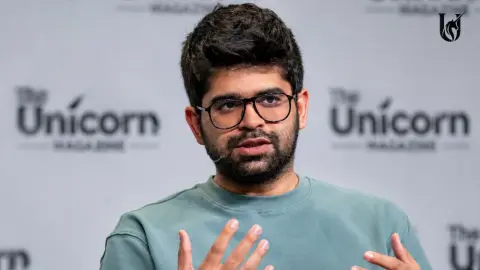
Long before he became one of India's most respected entrepreneurs, Kunal Bahl was simply a young student with an ambition to build something meaningful. Raised in Delhi, he believed education could open doors to opportunities beyond borders. That belief took him to the prestigious University of Pennsylvania, where he studied engineering and business together. His exposure to technology, innovation, and entrepreneurship shaped a vision much bigger than a conventional corporate career. Even then, he wasn't chasing a job, he was preparing to create one.
The Visa Rejection That Changed Everything
After graduation, Kunal joined Microsoft in the United States and looked set for a successful corporate career. But life had different plans. A visa issue forced him to leave the US and return to India unexpectedly. What initially felt like a devastating setback eventually became the biggest turning point of his life. Instead of seeing rejection as failure, he viewed it as an opportunity to build something for India. That unexpected return planted the seed for one of the country's biggest startup journeys.
The Birth of Snapdeal: Solving India's Digital Commerce Gap
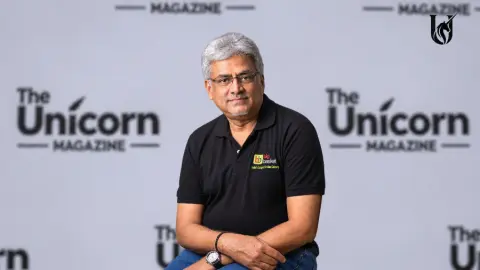
In 2010, Kunal Bahl partnered with his childhood friend Rohit Bansal to launch Snapdeal. The platform initially started as a daily deals and discount website inspired by global coupon businesses. However, the founders quickly realized that India's real opportunity wasn't discounts, it was online commerce itself. They transformed Snapdeal into a full-fledged e-commerce marketplace where millions of customers could buy products online. This bold pivot became one of the smartest strategic decisions in India's startup ecosystem.
Winning Customer Trust in a New Internet Era
Building an online marketplace in India wasn't easy. Internet adoption was still growing, digital payments were limited, and customers were hesitant to trust online shopping. Sellers were equally skeptical about listing products on an unfamiliar platform. Kunal focused on solving these trust issues through better customer experience, affordable pricing, and expanding product categories. Slowly, Snapdeal became a trusted destination for value-conscious Indian shoppers.
From Startup to Unicorn: The Rise of Snapdeal
As India's internet economy expanded, Snapdeal grew at an extraordinary pace. Global investors like SoftBank, Nexus Venture Partners, and Kalaari Capital backed the company with massive investments. Within a few years, Snapdeal became one of India's largest e-commerce companies, competing directly with Flipkart and Amazon. At its peak, the company achieved a valuation of nearly $6.5 billion, making it one of India's most celebrated unicorn startups. The rise proved that Indian founders could build companies capable of competing on a global scale.
The Toughest Phase: Competition, Losses & Public Criticism
Success didn't last forever. The rapid rise of Amazon and Flipkart created intense competition, forcing Snapdeal into an expensive battle of discounts, logistics, and customer acquisition. Growth slowed, losses increased, and market share declined significantly. In 2017, the company even entered merger discussions with Flipkart, leading many people to believe Snapdeal's journey was over. But Kunal refused to let one difficult chapter define the entire story.
The Comeback Strategy: Building Snapdeal 2.0
Instead of chasing scale at any cost, Kunal completely restructured the business. Snapdeal shifted its focus towards value-commerce, serving customers from Tier-2 and Tier-3 cities looking for affordable products. The company reduced unnecessary expenses, improved operational efficiency, and concentrated on sustainable growth rather than aggressive expansion. This disciplined turnaround became a textbook example of how founders can rebuild businesses through patience, clarity, and smart execution.
Beyond Snapdeal: Becoming India's Startup Backer
While rebuilding Snapdeal, Kunal also expanded his impact through Titan Capital, his early-stage investment firm. Rather than building only one company, he began backing hundreds of promising Indian startups across fintech, SaaS, consumer technology, healthtech, and AI. Today, Titan Capital is among India's most active seed investors, supporting founders during the earliest stages of their entrepreneurial journey. His transition from founder to investor multiplied his contribution to India's startup ecosystem.
Shark Tank India: Inspiring the Next Generation
Kunal Bahl's entrepreneurial experience eventually brought him to Shark Tank India, where he became one of the show's most respected investors. Unlike many investors who only celebrate success, Kunal openly shares lessons from both victories and failures. His practical advice, calm decision-making, and founder-first mindset have earned the trust of aspiring entrepreneurs across the country. On the show, he invests not only money but also years of real startup experience.
Net Worth, Business Portfolio & Lasting Impact
Today, Kunal Bahl's estimated net worth stands at around Rs 3,500 crore. His wealth comes from his stake in Snapdeal, investments through Titan Capital, and a diversified startup portfolio spanning hundreds of companies. While Snapdeal remains one of India's most recognized e-commerce brands, Kunal's larger legacy lies in empowering entrepreneurs and strengthening India's innovation economy. His journey proves that long-term value is created by building ecosystems, not just companies.
Achievements That Define His Journey
Kunal Bahl transformed Snapdeal from a small deals platform into one of India's largest e-commerce companies and helped shape the country's digital commerce revolution. He built a multi-billion-dollar startup, attracted some of the world's biggest investors, successfully restructured the company during its toughest phase, and later emerged as one of India's leading startup investors through Titan Capital. His role as a Shark Tank India judge has further amplified his influence, inspiring thousands of founders to think bigger and build smarter.
Key Lessons from Kunal Bahl's Journey
Kunal Bahl's story reminds entrepreneurs that setbacks often become the beginning of extraordinary opportunities. A rejected visa redirected him toward building one of India's biggest startups. His willingness to pivot Snapdeal's business model, survive fierce competition, and rebuild after difficult years highlights the importance of adaptability and resilience. Above all, his journey teaches that lasting success comes from solving real problems, making disciplined decisions, and continuing to believe in your vision even when the world doubts it.