He Left School at 13, But Never Stopped Learning
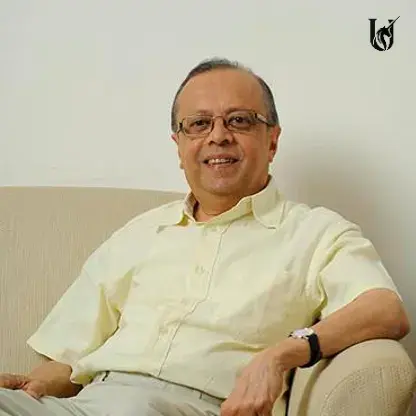
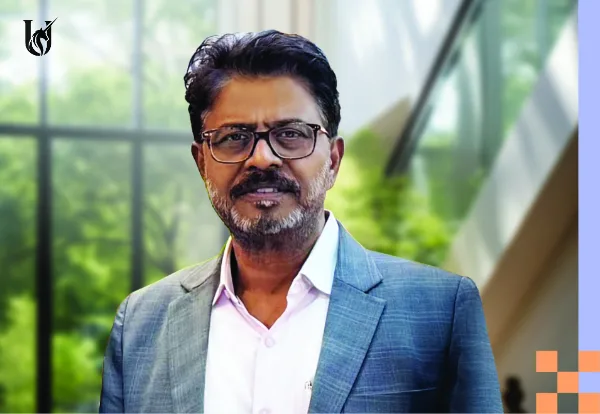
Long before GRB became a familiar name in Indian kitchens, G.R. Balasubramaniam was a 13-year-old boy from Chinna Karattupatty, a small village near Palani in Tamil Nadu. His family had limited means, and when an opportunity came to help his sister and brother-in-law in their butter business in Bengaluru, he left school and moved to the city. He never returned to the classroom, but the streets of Bengaluru became his real business school.
Bengaluru Became His First Business School
For the next 14 years, Balasubramaniam learnt the butter trade from the ground up. He travelled to villages to buy butter, delivered it to homes, managed accounts and spoke directly with customers. He slowly understood what customers wanted, how retailers thought and where money was being lost in the supply chain. Those years gave him something no business degree could have given him, an intimate understanding of the market.
Then Came the Day He Had to Start Again
In 1984, at the age of 28, Balasubramaniam walked away from the business he had spent years helping build. He had only around Rs 6,000 in savings and no formal qualification that could help him find a conventional job. After paying Rs 3,000 as rent advance, he was left with just Rs 3,000. Instead of seeing that money as too little to start anything, he decided to put his experience to work.
Rs 3,000 Was His Starting Capital
His first major source of working capital came from a chit fund. Balasubramaniam knew the model because his brother-in-law had used it earlier. He approached people who knew him and managed to form a group quickly. When he received a payout of around Rs 50,000, he used it to buy his first stock of butter. There was no investor, no big loan story and no polished business plan, just trust, experience and the willingness to start small.
The Bicycle Was His First Delivery Vehicle
The early business was incredibly simple. Balasubramaniam started with roughly 75 kg of butter a month and sold it door to door across Bengaluru. But while moving from one customer to another, he noticed something important. Butter was perishable, and retailers could lose money when it remained unsold. At the same time, hotels and sweet shops were buying butter mainly to turn it into ghee. That observation led him to a much bigger opportunity.
He Saw a Bigger Opportunity Inside Butter
Instead of continuing to sell only butter, Balasubramaniam began making ghee himself. He and his wife started the process on a small scale and took the finished product back to the same kind of customers. The idea was simple: rather than selling an ingredient that others had to process, he would sell a finished product that people could use directly. That small change became the foundation of GRB’s future.
From a Small Room to a Real Business
The response gave him confidence. Within about a year, his monthly income had grown significantly, and he moved into a small rented shop. Employees joined, production increased and the business slowly began moving from a personal operation into a proper company. What had started with butter and door-to-door deliveries was beginning to look like a packaged-food brand.
GRB Was Built Around One Simple Promise: Purity
Balasubramaniam understood that price could attract a customer once, but taste and quality were what brought that customer back. GRB built its identity around traditional taste, purity and the texture people associated with homemade ghee. The company’s own history describes this promise as the foundation of the brand, with “purity” becoming closely associated with GRB and Udhayam.
The Retailers Who Said No
Taking a new ghee brand to retailers was not easy. Shopkeepers already had products they knew would sell, so there was little reason for them to give shelf space to an unfamiliar name. Balasubramaniam’s answer was not to spend heavily on advertising. He kept returning to the same shops, asking retailers to try the product and let customers decide. Slowly, taste became his strongest form of marketing.
He Chose Quality Over a Lower Price
GRB’s traditional approach came with a cost. The company focused on delivering a product with the taste and texture associated with traditionally prepared ghee instead of simply competing on the lowest price. Balasubramaniam understood that if GRB wanted to build a lasting brand, customers had to feel the difference after opening the pack. That belief became one of the company’s strongest long-term advantages.
1991: The Small Business Became a Manufacturing Company
The next big step was manufacturing. GRB established its first factory in Bengaluru in 1991 and gradually expanded its production base. A facility in Dindigul followed, and a larger plant in Hosur came up in 1999. These investments allowed GRB to move beyond a small regional operation and build the capacity needed for wider distribution.
From Ghee to a Complete Food Brand
GRB did not remain only a ghee company. Over the years, its portfolio expanded into sweets, instant mixes, masalas and snacks. The company also developed brands such as Town Bus for snacks and Rakral for masalas. Today, GRB describes itself as a multi-product, multi-brand food company rather than simply a dairy business.
The Family Became Part of the Next Chapter
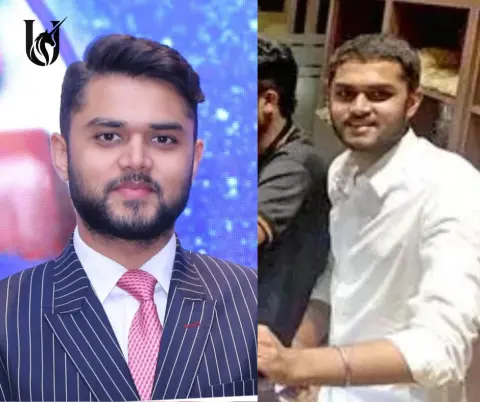
As the company grew, the next generation joined the business. Dhanraj Balasubramaniam has been involved in commercial strategy, sales and market expansion, while Balakarthik Balasubramaniam has played a role in international business, marketing and expanding the product portfolio beyond ghee. Their involvement has helped GRB move from a founder-led business toward a broader family-run enterprise.
GRB Chose a Different Way to Scale
Unlike many modern consumer startups, GRB did not build its growth story around venture capital or a long list of external investors. The company grew through manufacturing, distribution, product expansion and reinvestment into the business. That slower and more traditional path meant there were fewer shortcuts, but it also allowed the brand to build its foundations over decades.
From South India to the World
What began on the streets of Bengaluru eventually crossed India's borders. GRB now exports its products to 40+ countries, including markets across North America, Europe, the Middle East, Africa and Asia-Pacific. Its global strategy is built around taking familiar Indian flavours to households far from India.
15 Million+ Kitchens and Counting
GRB’s current company profile says its products are trusted across more than 15 million kitchens, with a portfolio of 70+ products, 6 manufacturing facilities and relationships with more than 5,000 farmers. These numbers show how far the company has travelled from the bicycle deliveries of its early years.
The Numbers Now Tell a Different Story
The scale of GRB today is far removed from its Rs 3,000 beginning. According to CRISIL, GRB Dairy Foods recorded operating income of around Rs 1,287 crore in FY26, compared with Rs 1,081 crore in FY25. The company reported FY26 profit after tax of about Rs 67 crore.
A Rs 1,400 Crore Ambition
The company’s recent growth has put it on a path toward the Rs 1,400 crore revenue target discussed by its founder. GRB has continued investing in capacity and product categories while protecting the quality-led identity that built the brand. Its journey shows that a regional food company can grow nationally and internationally without losing the character that made customers trust it in the first place.
What About GRB’s Valuation?
GRB Dairy Foods is an unlisted private company, so there is no publicly traded market capitalisation that can be used as its valuation. Public sources also do not provide a reliable current figure for G.R. Balasubramaniam’s personal net worth. Rather than using an unverified number, the stronger measure of his success is the scale of the business he built, from a Rs 3,000 beginning to a company generating more than Rs 1,200 crore in annual operating income.
His Biggest Achievement Was Never Just the Money
For Balasubramaniam, the real achievement is the fact that GRB survived long enough to become a household name. He entered a competitive food market without formal business education and built the company around things that sound simple but are difficult to maintain at scale, quality, relationships and consistency. More than five decades after his first steps in the trade, those same values still sit at the centre of GRB.
The Education He Never Got Still Matters to Him
There is one part of his story that success could not erase. Balasubramaniam has openly spoken about leaving school and the difficulties that came with having no formal education. He does not romanticise dropping out or suggest that education was unnecessary. For him, the lesson is different: circumstances may change your path, but they do not have to decide how far you go.
The Man Who Says He Never Suffered
Perhaps the most striking part of Balasubramaniam’s story is how he describes hardship. When asked whether he suffered while building GRB, he has compared his journey with people struggling simply to feed their families. He sees his difficulties as part of life rather than something deserving of sympathy. That mindset explains much about the way he built the company, quietly, patiently and without constantly looking for recognition.
The Real GRB Formula: Start Small, Notice More
Balasubramaniam’s journey offers a lesson that goes beyond the food industry. He did not begin by trying to build a Rs 1,000-crore company. He began by selling butter. Then he noticed that butter spoiled. He noticed that businesses were converting it into ghee. He noticed what customers liked. One small observation led to another, and those observations slowly became a business.
What Entrepreneurs Can Learn From His Journey
GRB’s story proves that capital is not always the first advantage. Sometimes, experience, trust and knowing your customer can be more valuable. It also shows why founders should pay attention to ordinary problems around them. Balasubramaniam did not discover a futuristic technology, he simply noticed an inefficient process and found a better way to serve the customer.
From a Bicycle to a Global Food Brand
The boy who left school at 13 could have remained just another worker in Bengaluru’s butter trade. Instead, he used those years to understand the business, walked away with Rs 6,000, started again with Rs 3,000 and slowly built something of his own. Today, GRB operates across multiple food categories, reaches more than 40 countries and generates over Rs 1,200 crore in annual operating income.
The Story Behind the GRB Name
The GRB story is powerful because it was never built in one dramatic moment. It was built through thousands of small decisions, one delivery, one retailer, one customer, one product and one factory at a time. The bicycle was eventually replaced by factories, distribution networks and global markets. But the basic idea remained unchanged: make a product people trust, and keep earning that trust every day.