Healthcare technology startup BioStack has raised $9.5 Mn in seed funding to build data infrastructure for medical artificial intelligence (AI), bringing together fragmented patient records from hospitals across the United States, India, Brazil and Argentina.
The round was announced on October 22, 2026, and was led by Peak XV, with Afore Capital, DCVC, Emerson Collective, SV Angel, Verdict Capital, Streamlined Ventures and Y Combinator also backing the company.
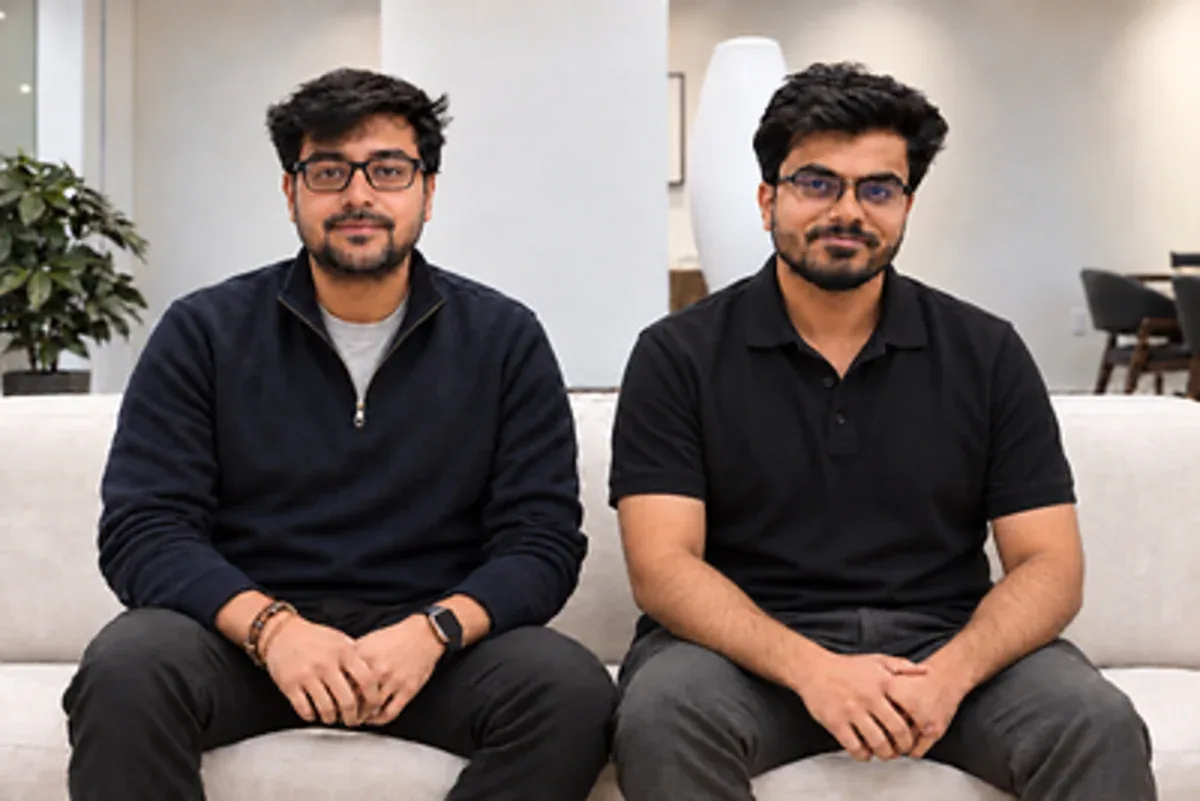
Founded by Sanat Mishra, co-founder and CEO, and Parth Patwa, co-founder and CTO, BioStack plans to use the capital to expand its US and international operations, develop its technology platform and grow its engineering and research teams.
The company says its network provides access to more than 100 Mn de-identified patient records across the four markets. Its focus is on making fragmented clinical information more useful for healthcare providers, medical researchers and companies developing AI models.
How BioStack Is Building Data Infrastructure for Medical AI
Patient information is often spread across different hospital systems, laboratories, imaging centres and clinical software platforms. Medical notes, test results, scans, prescriptions and treatment outcomes may not be connected in a format that makes it easy to follow a patient’s health journey over time.
BioStack is developing workflows to bring these records together into more complete, longitudinal patient histories. By linking clinical information across providers, the company aims to help researchers study disease progression, compare treatment responses and build datasets for training and evaluating medical AI models.
Its platform combines different types of information, including clinical notes, laboratory results, medical imaging, medications, treatments and patient outcomes. BioStack also creates proprietary datasets from de-identified information collected through provider systems, with workflows designed around individual providers’ protocols.
The company says it has already brought together several hundred thousand fragmented X-rays, MRI scans and CT scans, alongside pathology reports and other clinical records. This multimodal data could help AI developers build systems that analyse more than one type of medical information at a time.
Why Longitudinal Patient Data Matters for Healthcare AI
Medical AI development requires more than large volumes of information. Models also need data that captures how conditions change, which treatments patients receive, and what outcomes follow.
A collection of isolated scans or laboratory reports may offer only a partial picture. Connecting records over time can help researchers investigate how diseases progress and how patients respond to different interventions.
BioStack is targeting this gap by building a data layer that links information from different healthcare settings. Its potential applications include clinical research, drug development, disease modelling, biomarker discovery, patient stratification and the evaluation of treatment responses.
“Collecting every event linked to each patient enables a view of what happens at each stage of a patient's journey,” Mishra said in the company’s funding announcement.
For healthcare AI developers, the value of this approach will depend on the quality, completeness and relevance of the linked records, as well as the permissions and safeguards governing their use. Access to a large record network alone does not establish that every record is suitable for every research or AI application.
BioStack’s India Presence and Global Expansion Plans
BioStack works with hospitals across the US, India, Brazil and Argentina, giving it access to patient populations and healthcare environments across different markets.
In India, the company says it is helping connect cancer patients with an investigational cancer vaccine programme. Clinical data can support biotechnology development, while eligible patients may gain access to investigational treatments. Such programmes remain subject to relevant clinical, regulatory and patient-protection requirements.
The funding will help BioStack expand its hospital network and strengthen the technology needed to organise clinical information at scale. Its cross-border footprint could be useful for research involving diverse patient populations, although differences in medical systems, data standards and privacy rules make such integration complex.
What the $9.5 Million Seed Round Signals
The investment places BioStack in a part of healthcare technology focused on the underlying data infrastructure rather than a single medical application.
For AI developers and biotechnology companies, reliable access to structured clinical information can be a major constraint. BioStack is attempting to address that challenge by connecting records and preparing datasets that can support model development and evaluation.
The next test will be whether it can turn its reported data access into dependable products that healthcare providers, researchers and AI companies are willing to use and pay for. Data quality, privacy protections, provider relationships and the ability to demonstrate real-world value will all matter as the business expands.
With backing from Peak XV, Afore Capital, DCVC and other investors, BioStack now has fresh capital to develop this infrastructure across its existing markets. The company has not publicly disclosed its valuation or the individual amounts contributed by investors.