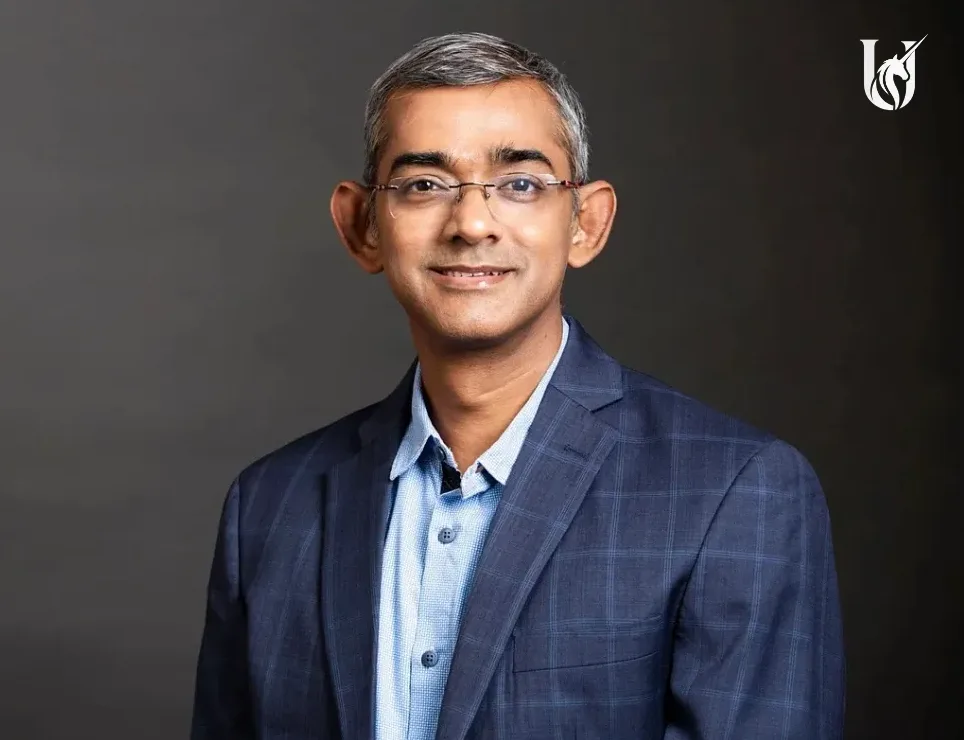
Meta is preparing to expand its presence in India's digital payments market through WhatsApp, with the company's India leadership signalling a more ambitious strategy under Kunal Shah, the founder of fintech platform CRED and global head of WhatsApp.
Meta India Managing Director and Country Head Arun Srinivas said that the company wants to play a larger role in India's payments ecosystem. He said WhatsApp Pay's transaction volume and value had nearly doubled over the past year, following the removal of earlier restrictions on user onboarding.
The push comes as Meta looks to turn WhatsApp from a messaging and business-discovery platform into a destination for everyday transactions, including UPI payments, utility bills and purchases made through businesses.
However, the scale of the opportunity is matched by the competitive challenge. WhatsApp accounted for just 0.8% of India's UPI transaction volume in September 2026, while PhonePe and Google Pay together controlled nearly 78%.
WhatsApp Pay Transactions Double As User Restrictions Ease
WhatsApp Pay has gained momentum after the National Payments Corporation of India (NPCI) removed restrictions on the number of users the platform could onboard in December 2024.
The service recorded 167.89 million UPI transactions worth Rs 12,957.07 crore in July 2026, compared with 74.6 million transactions worth Rs 5,412.58 crore in July 2025. This represented more than a doubling in transaction volume and value over the year.
By September 2026, WhatsApp had processed approximately 192.1 Mn UPI transactions worth Rs 14,656 Cr, giving it an estimated 0.8% share of payer-app transaction volume. It ranked eighth among UPI applications.
PhonePe led the market with a 45.57% share, followed by Google Pay at 32.23%. Paytm held 8.12%.
The numbers show that WhatsApp is growing from a relatively small base. Its large messaging audience provides a potential distribution advantage, but converting users into regular payment customers remains a separate challenge.
Bharat Connect Adds A New Payments Layer
Meta's payments strategy is also moving beyond peer-to-peer UPI transfers.
In September 2026, WhatsApp introduced bill payments in India through the Bharat Connect network, formerly known as the Bharat Bill Payment System (BBPS).
The integration gives users access to 22,722 billers across 30 categories, including electricity, gas, water, FASTag, insurance, credit card dues and loan repayments.
Customers can access the feature within WhatsApp, retrieve their bills and make payments using UPI, debit cards or credit cards. The platform also allows users to manage multiple accounts under the same biller.
The move is significant because bill payments create recurring use cases. While person-to-person transfers may depend on individual habits, utility payments provide regular reasons for customers to return to a financial service.
For Meta, the broader opportunity is to keep users within WhatsApp when a conversation with a business moves towards a purchase or payment.
Kunal Shah's Appointment Signals A Bigger Financial Services Ambition
Kunal Shah took charge as WhatsApp's global head in June 2026, succeeding Will Cathcart. Shah founded CRED in 2018 and built it into a fintech platform focused on payments, credit-card users and financial services.
His appointment came alongside Meta's announced $900 million investment in CRED, valuing the company at approximately $4.5 billion. Shah stepped away from his executive responsibilities at CRED to take up the WhatsApp role while retaining his personal shareholding.
Srinivas said Shah's leadership could help WhatsApp develop a stronger payments strategy in India. However, Meta has not announced a separate payment-aggregator business or a specific new financial product under Shah's leadership.
The immediate focus appears to be improving the existing payments experience, expanding use cases and identifying how WhatsApp can participate more meaningfully in India's digital financial ecosystem.
WhatsApp Business Could Become A Commerce And Payments Gateway
Payments are closely connected to Meta's broader ambitions for WhatsApp Business.
A customer may discover a product through Instagram or a creator's content, contact the seller on WhatsApp and complete the purchase through the messaging platform. Meta wants to make this journey more seamless.
The company is also testing Meta Business Agent, an AI-powered business tool designed to help companies respond to customer queries and support sales conversations.
For small businesses, the combination of messaging, automated customer support and payments could reduce friction between product discovery and transaction completion.
Meta is also investing in AI-led advertising tools that can help businesses generate product images, videos and multilingual promotional content. These capabilities could strengthen the commercial ecosystem around WhatsApp and Instagram.
Can WhatsApp Challenge PhonePe And Google Pay?
India's UPI market is already dominated by established payment platforms. PhonePe and Google Pay together accounted for approximately 77.8% of transaction volume in September 2026, leaving WhatsApp with a relatively small share despite its large user base.
WhatsApp's challenge is therefore not simply acquiring more users. It must encourage existing users to adopt payments regularly, build trust in financial transactions and offer a reliable experience across different payment use cases.
For merchants, the attraction could be a more integrated customer journey: discovery, conversation, assistance and payment within one platform. For consumers, convenience will determine whether WhatsApp becomes a regular payment destination rather than an occasional option.
Meta's three broader priorities in India, WhatsApp, Reels and creators, and small businesses, are increasingly connected through commerce and artificial intelligence.
The payments push under Kunal Shah could give WhatsApp a larger role in India's digital economy. But with PhonePe and Google Pay commanding most of the UPI market, the real test will be whether Meta can convert its messaging reach into sustained transaction growth.
Editorial notes
-
Founder names: Kunal Shah is identified as the founder of CRED. WhatsApp was co-founded by Jan Koum and Brian Acton; Meta was founded by Mark Zuckerberg and co-founders.
-
Market share: WhatsApp's 0.8% share is its September 2026 share of UPI payer-app transaction volume, not its share of all digital payments in India.
-
Growth: July's YoY doubling is supported by reported transaction data. September's figures are a separate monthly snapshot.
-
Kunal Shah's role: He is WhatsApp's global head, not Meta's CEO or the founder of WhatsApp.
-
Payment aggregator: Meta has not announced a new payment-aggregator licence or a separate payment-aggregator business. The article therefore describes an expanded payments strategy, not a confirmed regulatory move.
-
Muse and AI: The interview also discusses future AI products, but the article prioritises payments and commerce to maintain a clear business focus.