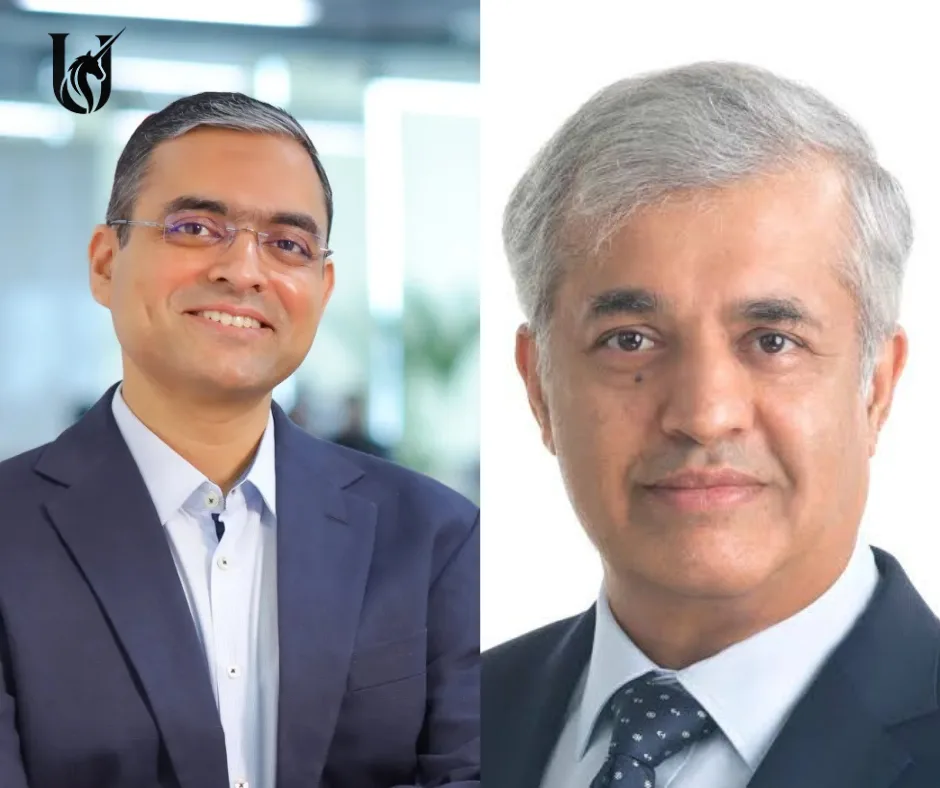
Private equity firm Affirma Capital has completed its exit from travel technology company TBO Tek Ltd., reporting a 12x multiple on invested capital (MOIC) and a 49% internal rate of return (IRR) in US dollar terms. The exit generated $468 million in capital gains, while returns in Indian rupee terms stood at 14.9x MOIC and 54% IRR, according to the firm’s announcement reported by financial publications.
Affirma Capital invested approx $42 Mn, or around Rs 300 Cr, in TBO in 2018 through a secondary transaction, acquiring a 49.9% stake before the company’s separation from Standard Chartered Bank. Its complete exit marks the end of an 8-year investment partnership that spanned TBO’s international expansion and stock market listing.
How Affirma Capital Realised Its Returns
Rather than selling its entire holding in one transaction, Affirma reduced its stake in stages as opportunities emerged.
-
2023-24: The Brand sold part of its holding to General Atlantic, reporting a return of more than 9x its original investment in dollar terms.
-
May 2024: It sold another portion through TBO’s initial public offering (IPO), at approximately 11x its entry price in dollar terms.
-
July October 2026: Affirma sold its final tranche through block deals and open-market transactions, at approximately 17x its original investment in dollar terms.
The staged exit allowed Affirma to realise value over several years rather than depend on a single liquidity event. The returns also illustrate how an early private-equity investment can generate liquidity through secondary share sales, a public listing and subsequent market transactions.
- TBO’s Shift From India to Global Markets
Affirma’s investment began when TBO was primarily focused on India. The company has since developed into a global travel distribution platform, connecting travel suppliers with buyers through technology that helps distribute travel inventory across markets. Its expansion has included international operations and acquisitions, according to TBO’s corporate history.
Affirma founding partner and India head Udai Dhawan credited co-founders Ankush Nijhawan and Gaurav Bhatnagar with building a globally diversified business. Nijhawan, in turn, said Affirma’s investment expertise and Dhawan’s board-level guidance supported TBO’s expansion, acquisitions and listing. Bhatnagar highlighted the partnership’s continuity through Covid-19 and other disruptions to global travel.
- What the Exit Signals for India’s Private-Equity Market
For investors, TBO’s exit highlights the importance of combining an early entry valuation with a credible route to liquidity. A public listing can provide a pathway to monetise a large holding over time, while block deals and open-market sales offer additional exit options.
The outcome is also a reminder that headline returns need context. Affirma’s 12x dollar MOIC and 14.9x rupee MOIC reflect different currency calculations, while IRR measures the annualised return over the investment period. Neither figure should be interpreted as a return available to public-market investors buying TBO shares today.
Affirma Capital, an emerging-market private-equity firm led by former senior executives of Standard Chartered Private Equity, manages more than $4 billion in assets for global investors and sovereign wealth funds, according to the reported announcement.
For India’s growth-investing ecosystem, the transaction offers a case study in patient capital: backing a business before its public market debut, supporting expansion over multiple market cycles and exiting through several liquidity windows.











/indianstartupnews/media/media_files/2026/08/04/nitish-mittersain-hands-over-nazara-ceo-role-to-raymond-stauffer-2026-08-04-23-21-50.jpeg)