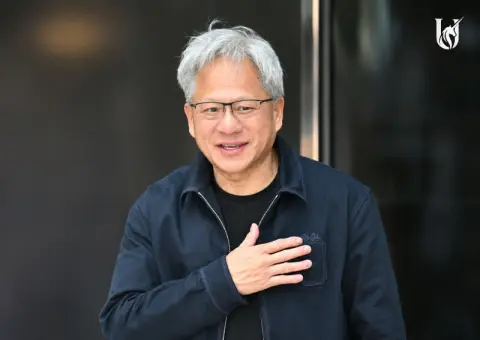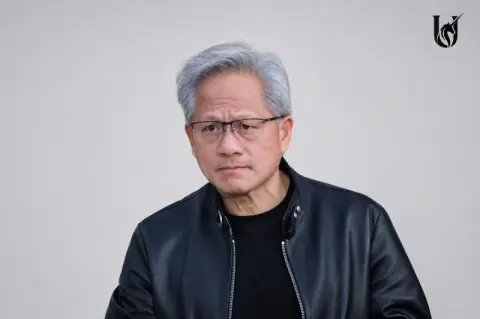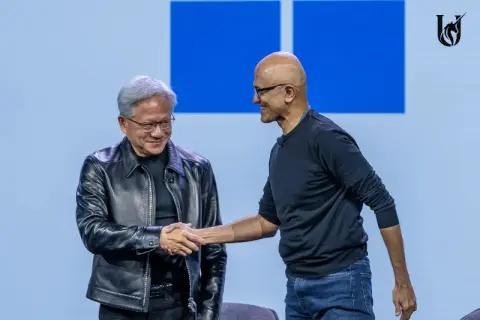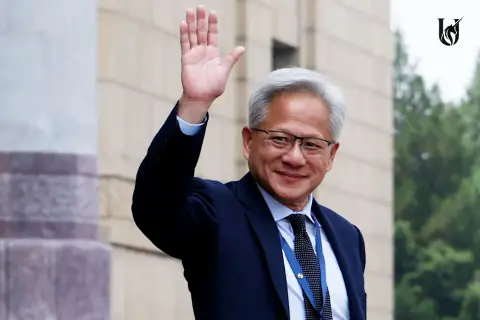
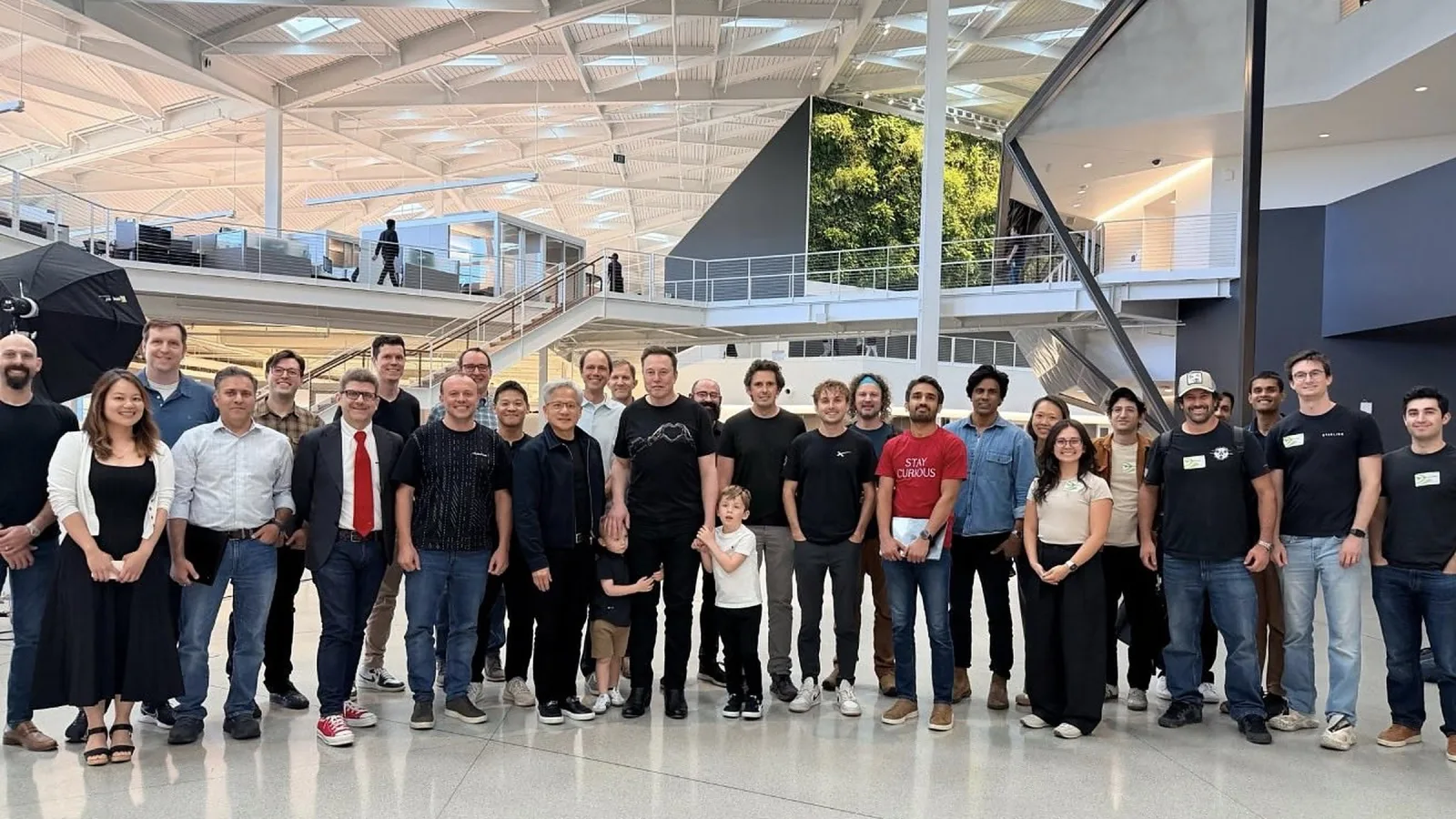
Elon Musk has met Nvidia co-founder and CEO Jensen Huang at the chipmaker’s headquarters in Santa Clara, California, days after Huang was reinstated as the company’s chief executive. The meeting marks another public show of support from Musk, who had criticised Nvidia’s decision to part ways with Huang and actively backed his return.
Photographs shared on X on Wednesday, November 25, showed Musk posing with Huang and Nvidia employees, accompanied by two of his children. The images were also shared by Ben Pouladian, founder of BEP Research and a longtime Nvidia shareholder who had publicly campaigned for Huang’s reinstatement. Musk subsequently reposted a photograph shared by the Tesla Owners Silicon Valley account.
The purpose of the meeting has not been publicly disclosed. Neither company has announced any business agreement or strategic partnership arising from the visit.
Musk’s meeting with Huang follows several days of vocal support for the Nvidia chief. At The New York Times DealBook Summit on November 18, Musk compared Huang’s departure to removing basketball legend Michael Jordan from a team during a winning streak.
Musk argued that Huang's leadership, technical understanding and long-standing relationships with suppliers and employees would be difficult to replace. He also said he would be willing to hire Huang.
After Nvidia announced Huang’s reinstatement on November 23, Musk posted on X: “The mistake has been corrected.”
The latest meeting gives a more personal dimension to that support. However, the public photographs do not establish what the two executives discussed.
Nvidia’s board reinstated Huang as president, CEO and a member of its board on November 23, reversing its earlier decision to accept his resignation. The board voted unanimously following discussions with Huang and said it was satisfied with his candour and ability to lead the company.
The decision came amid reports of extramarital relationships, including one involving a Chinese businesswoman suspected by US authorities of links to a foreign intelligence effort. These allegations have raised questions about potential national security implications and the possible transfer of sensitive technology.
Nvidia said it had received input from senior US government officials and was confident that Huang’s reinstatement posed no national security risk. However, the company also confirmed that an independent board committee's investigation would continue. It has formed a separate National Security and Export Control Committee and begun searching for a Chief Compliance Officer.
The reinstatement, therefore, does not mean that every investigation or question surrounding the controversy has been concluded.
Huang’s return has not ended scrutiny from US lawmakers. The House Permanent Select Committee on Intelligence, House Foreign Affairs Committee and Select Committee on the Chinese Communist Party have scheduled a transcribed interview with Huang for December 1. Nvidia General Counsel Tim Teter is scheduled to appear on December 2.
A separate public appearance before the Senate Banking Committee is scheduled for December 3, according to reports. Lawmakers are seeking answers about Nvidia’s export-control compliance, access to advanced AI chips and the circumstances surrounding the alleged foreign intelligence connection.
The congressional scrutiny is significant because Nvidia sits at the centre of the global AI infrastructure market. Its advanced processors are critical to data centres, AI model development and high-performance computing, making its export policies and leadership decisions matters of strategic importance.
Huang co-founded Nvidia in 1993 with Chris Malachowsky and Curtis Priem. He has led the company through its evolution from a graphics-chip maker into one of the world's most influential suppliers of AI computing infrastructure.
Musk, meanwhile, is the founder of SpaceX and xAI and leads Tesla. His public support reflects the importance that prominent technology leaders attach to Huang’s experience and relationships across the semiconductor and AI industries.
For Nvidia, Huang’s return restores leadership continuity at a time when demand for AI computing remains a major driver of the technology industry. But the company must now balance that continuity with investor confidence, regulatory scrutiny and the need to demonstrate robust governance.
Musk’s visit may underline the strength of his personal support for Huang. The more consequential test for Nvidia, however, will be whether the company can resolve the outstanding questions while maintaining its position in the rapidly expanding AI market.