Nvidia has launched an independent board-level investigation into reports that its co-founder and CEO Jensen Huang was targeted by a foreign intelligence operation, following his admission of an extramarital affair with a woman identified in media reports as Alice Huang, a former executive of Singapore-based chip customer Megaspeed.
The investigation, announced on November 8, 2026, will be overseen by a committee of independent directors and external legal counsel. Nvidia said it had no reason to believe that US national security or the company's confidential information had been compromised, but that the board would examine all available information.
Huang, 63, has agreed to cooperate with the review and will continue as CEO during the investigation.
Jensen Huang admits affair, apologises to family and employees
In a message to Nvidia employees, Huang acknowledged being unfaithful to his wife and apologised to his family and colleagues. He also accepted responsibility for the damage caused by his actions and reaffirmed his commitment to leading the company.
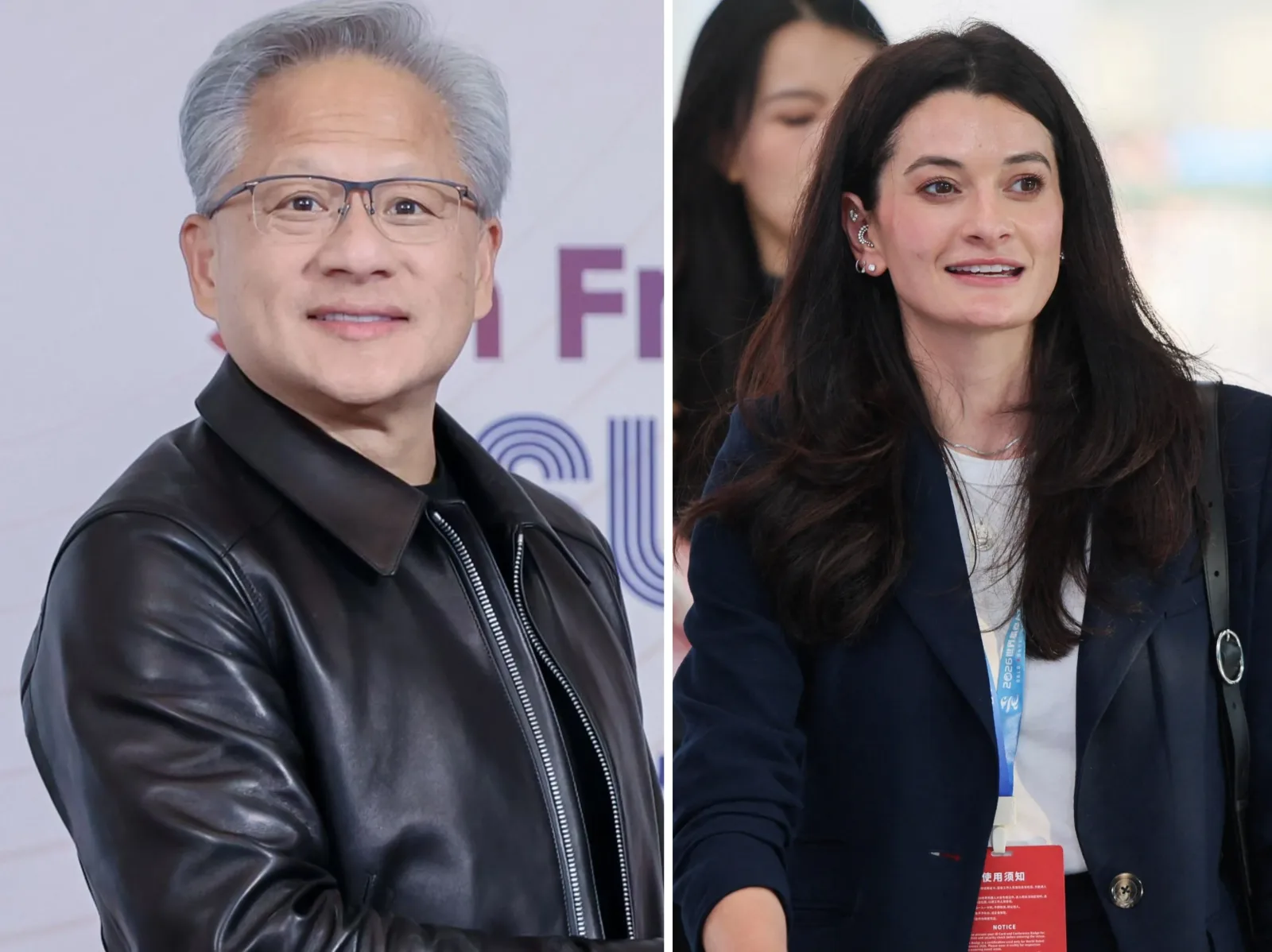
His admission followed weeks of scrutiny over his reported relationship with Alice Huang, who is not related to the Nvidia chief.
The board's announcement, however, is specifically about examining reports of a foreign intelligence effort targeting its CEO. It has not concluded that Huang disclosed company secrets or that Nvidia's national security interests were compromised.
Who is Alice Huang and what is the Megaspeed connection?
Alice Huang, also known as Huang Le, was associated with Megaspeed International, a Singapore-based data-centre company and Nvidia customer.
US authorities have reportedly suspected her of gathering information for Beijing. Megaspeed has also faced scrutiny over allegations that its business activities may have helped Chinese companies access advanced AI chips restricted under US export controls.
The reported relationship between Huang and Alice Huang has raised questions about the potential exposure of sensitive business information, particularly given Nvidia's position at the centre of the global AI infrastructure market.
Nvidia had previously described their interactions as normal business-related engagement. The CEO's subsequent admission of an affair has brought renewed attention to those earlier explanations.
Importantly, the espionage allegations remain unproven. China's Foreign Ministry rejected the claims on November 9, describing them as baseless and an attempt to discredit the country. Singapore's government had also clarified on October 31 that neither it nor its officials had conducted a separate investigation into Alice Huang or expressed the concerns attributed to them in earlier reporting. Singapore police have said investigations involving Megaspeed remain ongoing.
US lawmakers seek answers as chip export concerns grow
The controversy has also reached Washington. Three senior Republican lawmakers requested a closed-door briefing from Huang, seeking information about the reported intelligence concerns and Nvidia's safeguards for protecting sensitive information.
The matter has broader implications because Washington has imposed restrictions on exports of advanced AI chips to China, citing national security concerns.
Nvidia's business with international cloud and data-centre customers is therefore subject to growing scrutiny over where its chips are deployed and whether export restrictions are being followed.
Nvidia faces leadership and investor scrutiny
The investigation comes at a sensitive time for Nvidia, which has become one of the world's most valuable companies through its dominance in AI computing hardware.
Founded in 1993 by Jensen Huang, Chris Malachowsky and Curtis Priem, Nvidia has built its position around graphics processors and expanded into the chips and systems powering modern AI data centres.
Huang has led the company for more than three decades and remains central to its strategy and public identity. That concentration of leadership makes the investigation particularly significant for shareholders.
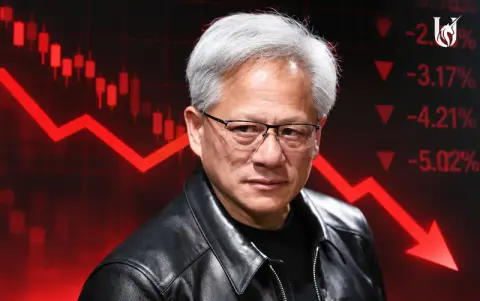
Reuters reported that Nvidia's market capitalisation stood at approximately $4.5 trillion amid the controversy. Its shares fell more than 5% at the US market open on November 9.
The board has expressed confidence in Huang and his leadership team, but the inquiry will be important in determining whether the reported intelligence operation created any corporate, security or governance exposure.
For Nvidia, the challenge is to protect investor confidence while demonstrating that its executive relationships, customer due diligence and information-security controls are strong enough for a company whose technology has become strategically important to the global AI race.