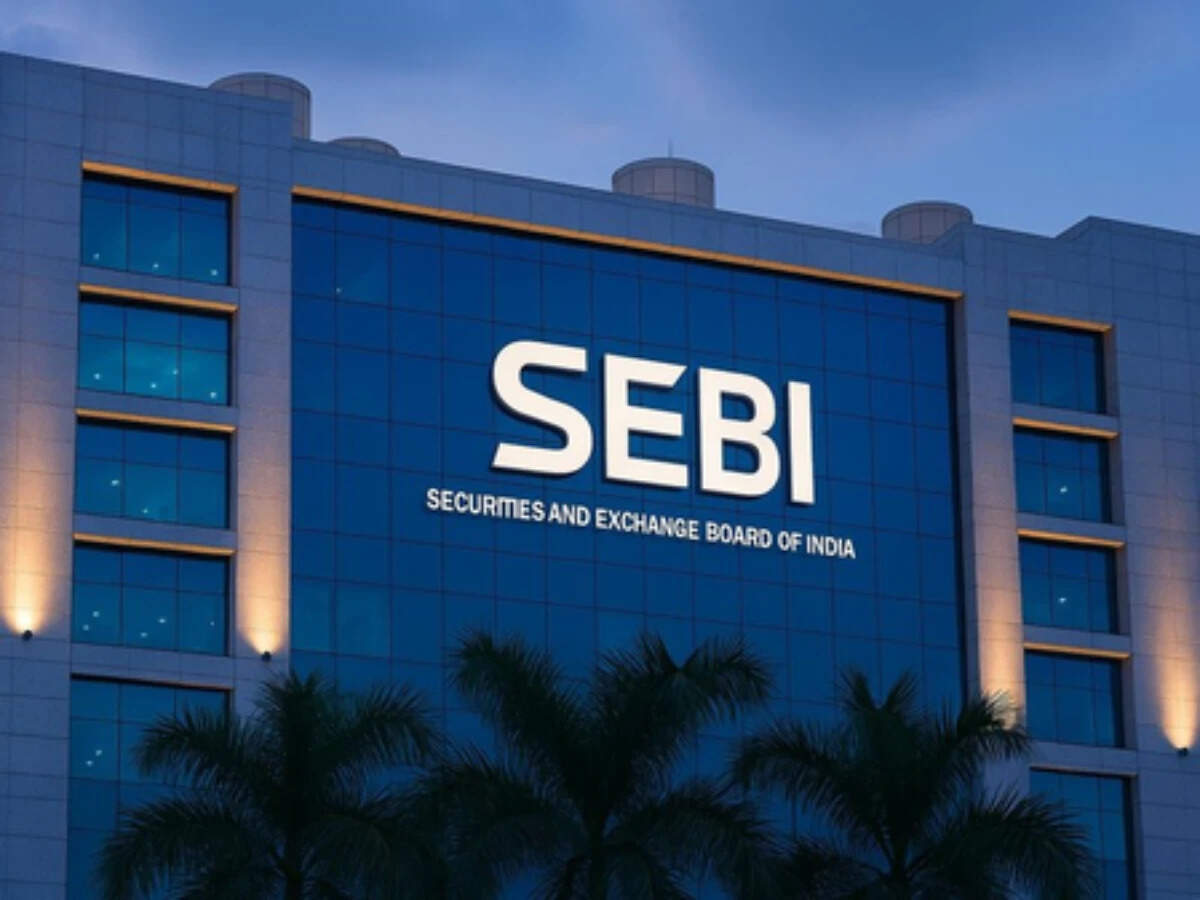
The Securities and Exchange Board of India (SEBI) has proposed a sweeping overhaul of India’s small and medium enterprise (SME) IPO framework, including halving the minimum application amount to Rs 1 lakh, tightening profitability requirements and revising listing eligibility norms.
The proposals, published in a consultation paper on October 14, 2026, seek to make SME listings more transparent while strengthening investor safeguards and encouraging greater institutional participation. The regulator has invited public comments until November 4, 2026. The changes are proposals and are not yet in force.
- Key Changes Proposed for SME IPOs
Minimum application reduced to Rs 1 lakh
SEBI has proposed lowering the minimum SME IPO application from Rs 2 lakh to Rs 1 lakh. Under the proposed structure, an application would comprise four lots, each worth at least Rs 25,000.
The regulator has also proposed increasing the minimum number of IPO allottees from 200 to 500, potentially widening the distribution of shares among investors.
Higher profitability threshold for companies
The proposed rules would require companies to report an average annual operating profit of at least Rs 3 crore over the preceding three financial years, compared with the existing requirement of at least Rs 1 crore in two of those three years.
Companies that do not meet the threshold could still access the market through an alternative route, provided at least 75% of the net offer is allocated to qualified institutional buyers (QIBs). This would place greater emphasis on institutional participation for businesses that do not meet the standard profitability test.
- Market capitalisation to determine listing eligibility
SEBI has proposed replacing paid up capital based eligibility criteria with post-issue market capitalisation.
-
Up to Rs 1,000 Cr: Listing on the SME platform would be mandatory.
-
Above Rs 1,000 Cr and up to Rs 4,000 Cr: Eligible companies could choose the SME platform or main board, subject to applicable conditions.
-
Above Rs 4,000 Cr: Companies would be required to list on the main board.
The change would link the listing route more directly to a company’s post-IPO market value.
- Other Major Proposals
SEBI has proposed removing compulsory market-making requirements and revising underwriting obligations for SME IPOs. The draft framework also includes a 90% minimum subscription requirement.
Other proposed changes include:
-
Single-share trading lots: Allowing SME shares to trade in lots of one share, rather than larger price-based lots.
-
Promoter and pre IPO lock ins: Retaining a three year lock in for minimum promoters’ contributions, while reducing the lock-in for excess promoter holdings to one year and pre-IPO non-promoter holdings to six months.
-
IPO proceeds: Removing the Rs 10 crore cap on general corporate expenditure while retaining the limit of 15% of the total issue size.
-
Main-board migration: Ending reverse migration from the main board to the SME platform and revising migration thresholds based on market capitalisation.
- What the Proposed Changes Mean for Indian Businesses
For growing businesses, a revised SME IPO framework could change both the cost of going public and the standards required to access public markets. A lower application threshold may make participation more accessible, while higher profitability requirements could encourage stronger financial discipline among issuers.
The proposed removal of mandatory market making also raises an important implementation question: how will liquidity and fair price discovery be maintained in less-traded SME stocks? Similarly, a higher minimum allottee count could broaden participation, but would not by itself guarantee better investor protection.
For founders and investors, the key takeaway is that SEBI is proposing a framework that combines easier access in some areas with tighter eligibility and disclosure expectations. The final impact will depend on the rules ultimately adopted.
- What Happens Next?
SEBI is accepting public comments until November 4, 2026. If the proposals are approved, the draft provides for a three-month transition period before implementation. Until then, existing SME IPO regulations remain applicable.
Editing by Deepak Singh