
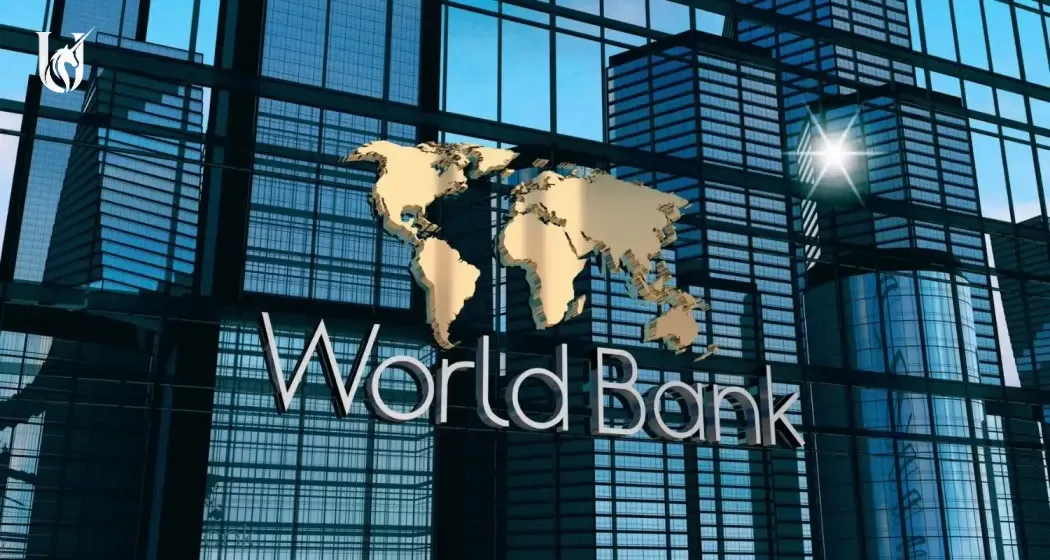
The World Bank Group has helped mobilise $36 Bn in private capital for development in India over 4 years, including $9.6 Bn for micro, small and medium enterprises (MSMEs), as it expands the use of guarantees and risk sharing mechanisms to attract private investors.
Private capital mobilisation rose nearly five fold, from approximately $3 Bn in FY22 to $14.5 Bn in FY26, according to Manuel Reyes-Retana, division director for South Asia at the International Finance Corporation (IFC), the World Bank Group’s private-sector arm.
The figures highlight a shift in development finance: rather than relying only on public lending, group is using its financing, guarantees and policy support to encourage banks, institutional investors and other private lenders to fund projects and businesses that might otherwise struggle to attract capital.
For India’s smaller businesses, the central question is whether these mechanisms can translate into more accessible credit, better working capital options and investment for expansion.
- TReDS Reforms Help MSMEs Access Working Capital
A key initiative is the World Bank-backed $436 million Raising and Accelerating MSME Performance (RAMP) programme, which supports reforms intended to improve the business environment and access to finance for smaller enterprises.
Under the programme, reforms to the Trade Receivables Discounting System (TReDS) have helped businesses obtain funding against unpaid invoices instead of waiting for buyers to settle them. The World Bank Group says more than 250,000 MSMEs have accessed capital faster, while 30 non-banking financial companies have joined the platform, widening the pool of potential lenders.
For MSMEs supplying large companies, delayed payments can restrict the cash available for wages, inventory and new orders. Invoice financing can help bridge that gap, although access and borrowing costs still depend on the buyer’s creditworthiness, lender participation and transaction terms.
The World Bank Group says it has invested more than $3.5 Bn alongside private partners since 2022 to validate new credit structures and make smaller businesses more bankable.
- Women Owned and Green Businesses Also Gain Support
The group reports that credit guarantees for women-owned businesses increased from 14% to 18% over two years, helping mobilise more than $1 billion. Its Green MSME Guarantee Fund has benefited more than 4,000 enterprises and supported $40 million in investments in green and circular economy activities.
These programmes address different barriers to finance: limited collateral, perceived lending risk and the upfront cost of adopting more sustainable technologies. Guarantees can encourage lenders to enter underserved segments, but their longer-term impact depends on whether businesses receive affordable credit and can repay it as they grow.
The World Bank Group’s India Country Partnership Framework for FY26-31 places private sector-led job creation at the centre of its support for the country’s development priorities. Its broader objective is to expand investment in areas such as infrastructure, energy, urban development and business growth.
For Indian MSMEs, the mobilisation figures are significant, but they are not the same as direct grants or government transfers. The real measure of success will be whether more businesses can secure timely finance, invest in capacity and create jobs without taking on unsustainable debt.
The Unicorn Magazine:- Editing by Saurav Kumar









/indianstartupnews/media/media_files/2026/08/04/nitish-mittersain-hands-over-nazara-ceo-role-to-raymond-stauffer-2026-08-04-23-21-50.jpeg)